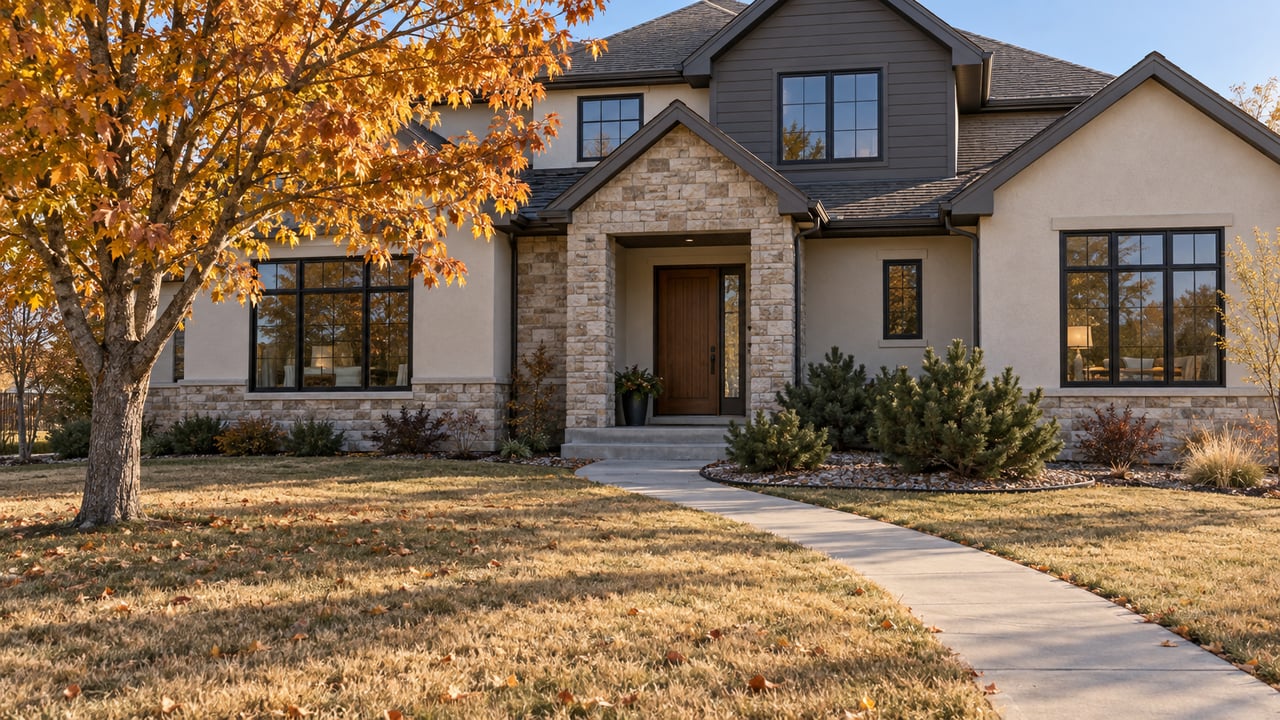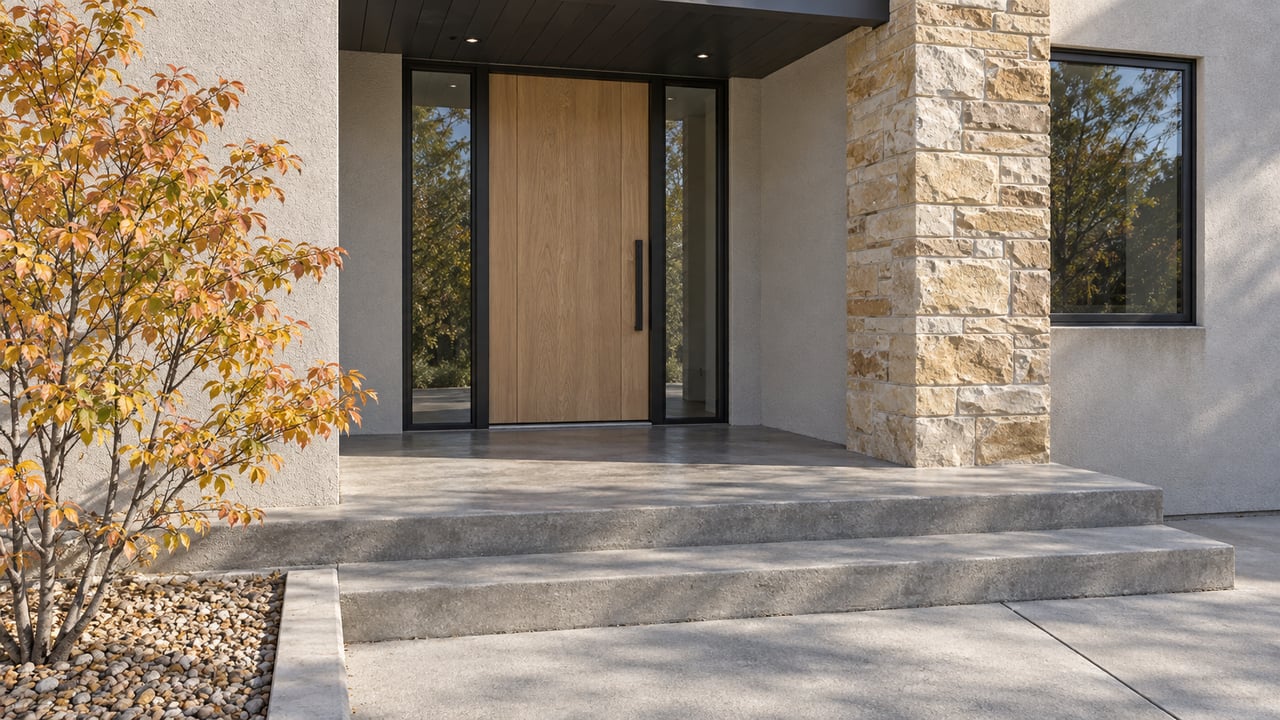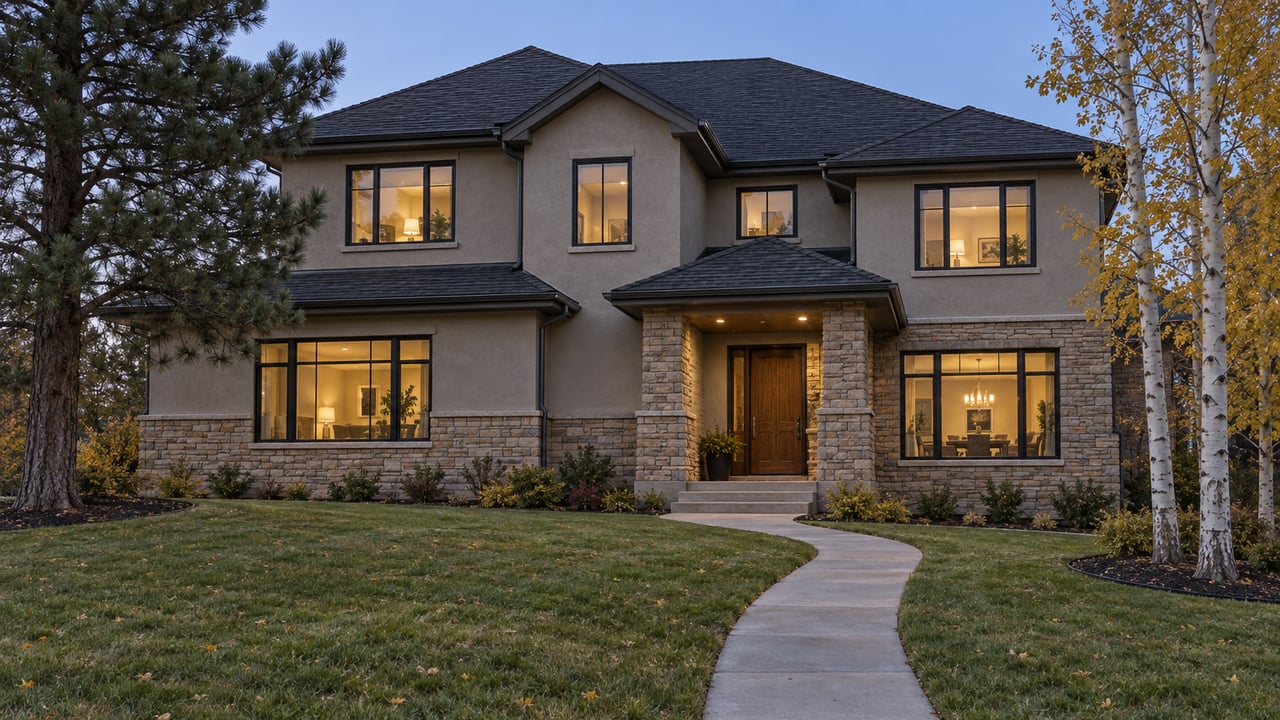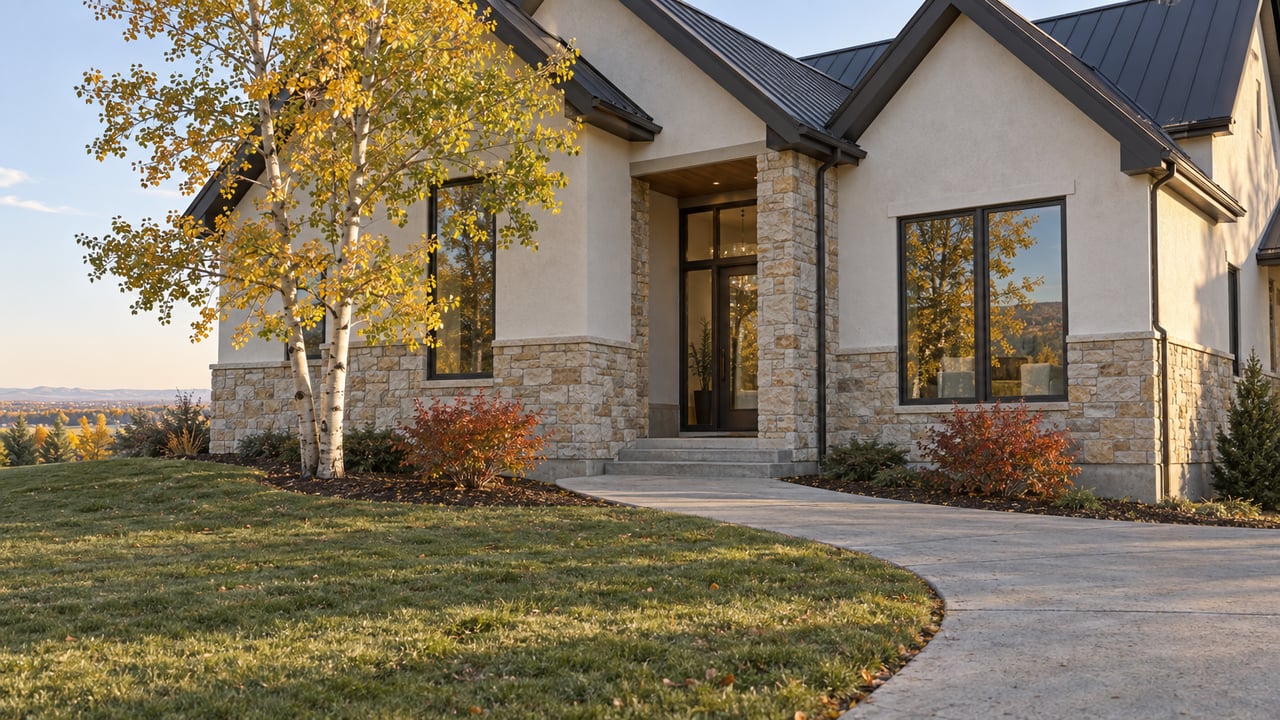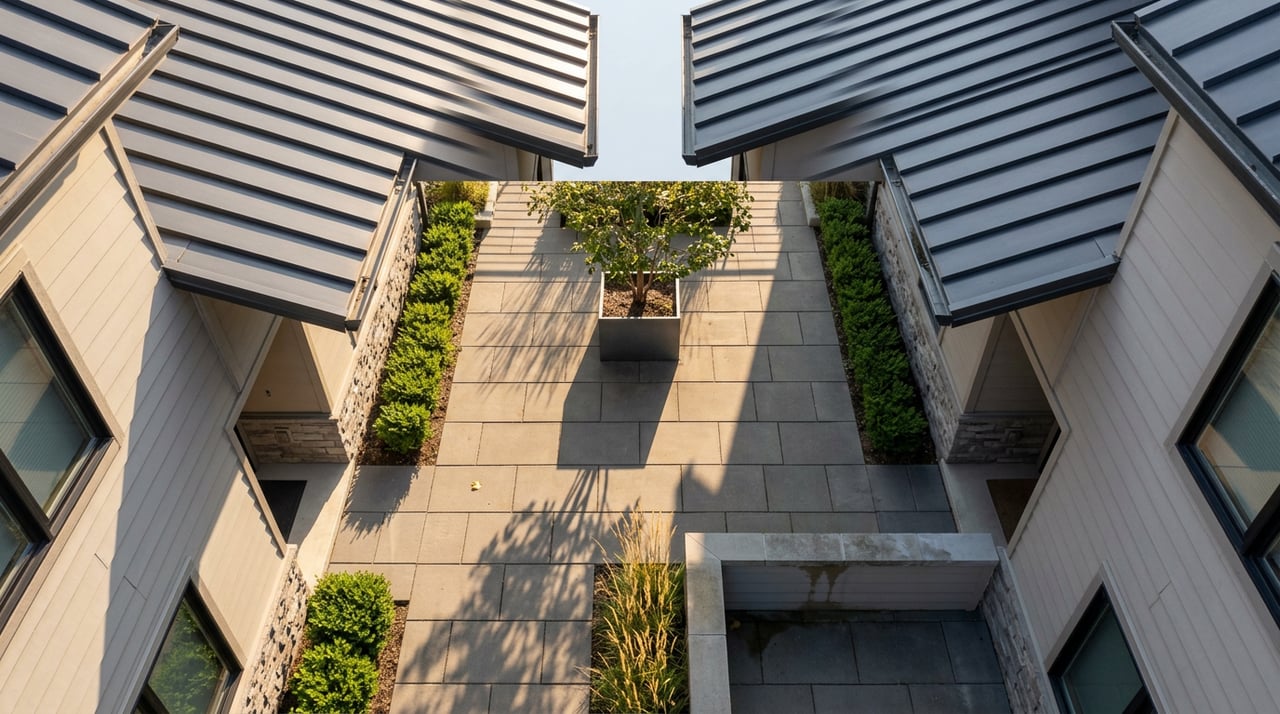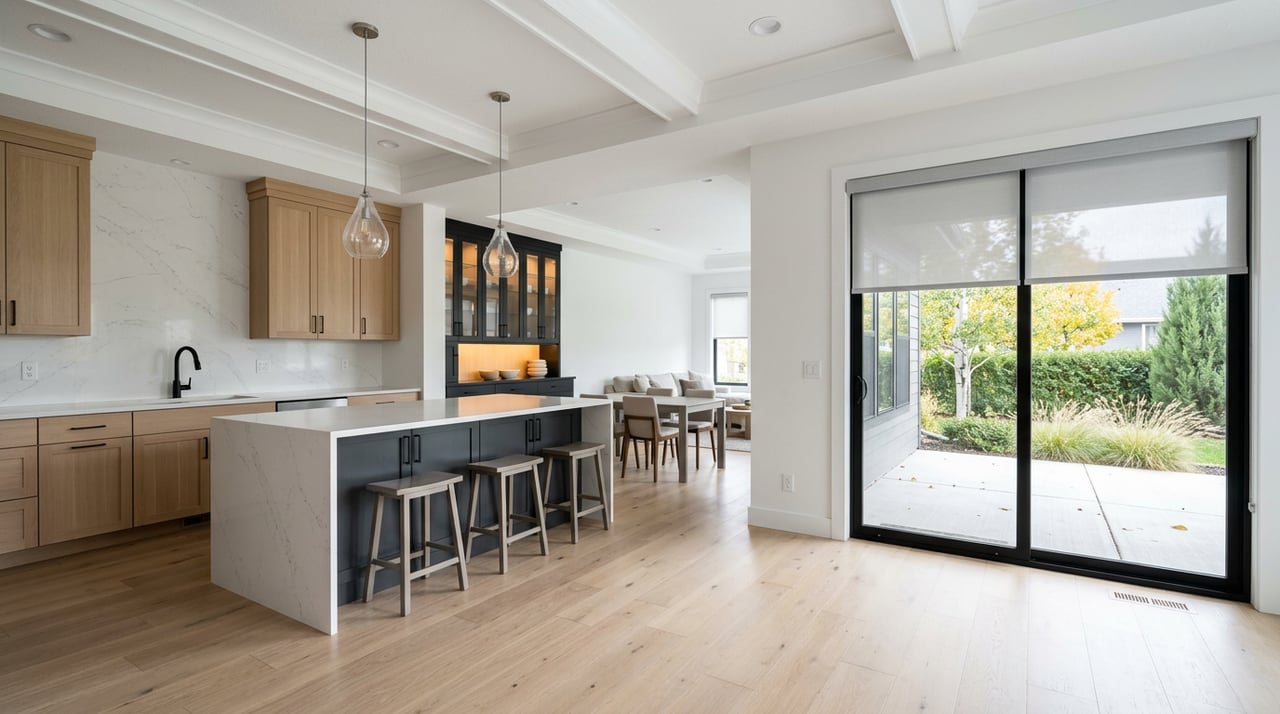
Have you outgrown your first Arvada home but want to keep your budget in check? You are not alone. Many local owners bought smaller, older houses and now need more square footage, a better layout, or a larger yard. In this guide, you will see where Arvada gives you the most space for your dollar, how different pockets trade size for walkability or finishes, and which floor plan features matter most for daily life. Let’s dive in.
The move-up math in Arvada
If you own a typical Arvada home, your baseline likely looks like this: built around 1977 and about 1,400 to 1,450 square feet. That profile comes straight from the city’s housing needs study for recent sales, which helps explain why many owners here consider moving up for more space. You can review those citywide baselines in the City of Arvada Housing Needs report.
Citywide pricing sits in the high 500s to low 600s. Recent reports place the median sale price near 599,000 dollars in February 2026, with similar estimates in other tracking indexes. Citywide price per square foot trends around 287 dollars, but walkable pockets closer to Olde Town trade much higher on a per-foot basis. For move-up buyers, that difference is the key lever. You can usually choose more square footage in west Arvada or more walkability and newer finishes near Olde Town.
Big takeaway: the same budget often buys you a larger home and lot to the west, or a smaller, higher-finish option near the historic core.
Where you gain the most space
West Arvada large-lot pockets
If your top priority is interior space and a bigger yard, look to west Arvada. Subareas like Quaker Acres, Northwood Acres, and parts of Meadows at Westwoods commonly feature homes 2,500 square feet or larger, with many lots ranging from about half an acre to over an acre. These pockets typically deliver the most private outdoor space and the best interior square footage per dollar within Arvada.
The tradeoff is distance from the walkable Olde Town core and a longer commute to downtown Denver. On the rural edge, plan for higher maintenance needs and to stay informed about open-space and wildfire considerations. If you want room for additions, extra garages, or hobby spaces, this is where Arvada shines.
Central Arvada and the Ralston corridor
For a balance of space, price, and central convenience, target the 1960s to 1990s subdivisions in central Arvada. Typical homes here range from about 1,600 to 2,400 square feet on lots around 0.12 to 0.35 acres. You will find more two-story and split-level plans, many with finished basements, and the potential for 3-car garages in certain tracts. The city’s housing study outlines these era-based patterns and why they work well for growing households.
This middle band is a smart target if you want to step up from a mid-century ranch and still stay near central shopping corridors and community amenities. Price per square foot is usually friendlier than in the historic core, and you can still find homes with strong bones for light renovation.
Olde Town tradeoffs for walkability
Olde Town Arvada offers a vibrant historic center with restaurants, events, and direct access to the RTD G Line station. Many homes near the core are older and smaller on average, and renovated properties tend to command higher prices per square foot because the premium is on location, walkability, and finish level. Light-rail convenience has been part of Olde Town’s draw, as local reporting has covered the G Line’s impact on activity in the district. For context, see this piece on RTD’s G Line and Olde Town demand.
If you want a low-maintenance yard and the ability to stroll to coffee, dining, and events, Olde Town and nearby corridors are a great fit. Just plan for smaller lots, often around 6,000 to 10,000 square feet, and a higher per-foot price than the citywide average.
Candelas and other master-planned options
On the west edge, planned communities like Candelas offer modern layouts, a range of product types, and neighborhood amenities. You can expect open kitchens, main-floor flex rooms or pocket offices, energy-efficient systems, trails, parks, and access to community swim and fitness facilities. Builders market features tailored to move-up needs, and many plans include unfinished basements that you can complete later. For a representative example of plan types and features, scan a Tri Pointe Homes plan on NewHomeSource.
If you want a turnkey feel and prefer to avoid near-term renovation, these communities are designed for you. The tradeoff is a longer drive to Olde Town and downtown destinations.
Floor plans that make daily life easier
Most move-up buyers aim for a total size between 1,600 and 3,000 square feet, with strong demand clustering around 2,000 square feet and above. That aligns perfectly with what you get when you step up from Arvada’s typical 1,400-something square foot home. See the National Association of Home Builders’ summary on buyer size preferences for helpful context: NAHB’s 2024 home size trends.
Features you will likely prioritize:
- Open kitchen to great room flow for gatherings and line of sight.
- Larger primary suite with a bigger closet and a double vanity bath.
- A main-level flex office or guest suite for hybrid work or visitors.
- Dedicated mudroom and a functional laundry area.
- More storage, plus a finished or finish-ready basement.
- Energy-efficient HVAC, EV-ready wiring, or solar-ready packages.
Newer builds in communities like Candelas roll many of these into the base product, while 1960s to 1990s homes may need targeted updates to deliver the same function.
Quick-match guide: buyers and best-fit pockets
- The space-first household: You need four bedrooms, a bigger yard, and play space. Target west Arvada’s larger-lot pockets for 2,500-plus square feet and room to expand.
- The lifestyle-first commuter: You want walkability and light rail access. Focus on Olde Town and nearby corridors with smaller lots and a higher finish level.
- The turnkey layout shopper: You want modern design without a renovation project. Look to Candelas and similar planned neighborhoods for current floor plans and builder warranties.
Renovate your way up or buy turnkey
Because a large share of Arvada’s housing stock predates today’s performance standards, it is common to plan for mechanical and finish upgrades when you buy an older home. The city’s housing needs study highlights how the age profile of local homes shapes upgrade needs.
If you love central convenience and a classic plan, a 1970s two-story with a finished basement can be a smart canvas. Budget for HVAC, window, and kitchen-bath updates and you may still land under comparable new-build costs. If you prefer low maintenance and modern energy features, compare total cost of ownership in a newer plan against the time and cash of a renovation.
ADUs and long-term flexibility
Some buyers want future options for multigenerational living or rental income. Accessory dwelling unit rules are set by city and county zoning, and specifics vary by parcel. Jefferson County’s FAQ outlines key considerations like eligible zones and owner-occupancy notes. Start with the county’s overview here: Jefferson County ADU FAQ, then confirm details with the City of Arvada for any in-city address.
Always verify HOA rules, design guidelines, and utility capacity before planning an ADU or large addition.
How to shop smart in Arvada
- Define your top two priorities. Choose between size, yard, walkability, finish level, and commute time.
- Use price per square foot as a lens, not a finish line. Compare per-foot cost across pockets alongside lot size and amenity access.
- Weigh layout first. A functional main floor, good storage, and a finish-ready basement often matter more than raw square footage.
- Verify the essentials. Check HOA rules, potential ADU feasibility, and school boundaries directly with the district for the exact address.
- Consider total cost of ownership. Factor utilities, HVAC age, window efficiency, roof age, and any EV or solar goals.
- Plan a renovation scope if you buy older. Line up bids for kitchens, baths, flooring, and systems so you know your real, all-in budget.
- Prep your sale. Stage, photograph, and price your current home to fund the move-up with confidence and speed.
With a background in architecture and interiors, I can help you evaluate floor plans, spot cost-effective upgrades, and weigh the tradeoffs between location, finishes, and lot size. If you want a clear, low-stress path to your next home, reach out.
Ready to move up with confidence
Whether you want acreage and mountain-light, or a short stroll to dining and the G Line, Arvada has a right-fit pocket for your next chapter. If you are ready to compare options and map a budget that makes sense, let’s talk about your timeline, your current home’s sale plan, and the neighborhoods that match your goals. Start the conversation with Audrey Michel today.
FAQs
What is the typical size and age of homes sold in Arvada?
- City analysis shows the typical home sold was built around 1977 and is about 1,400 to 1,450 square feet, which is why many owners consider moving up for more space.
How does Olde Town Arvada pricing compare to citywide averages?
- Olde Town and nearby walkable pockets tend to command higher prices per square foot than the citywide average because location and finishes carry a premium near the G Line and the historic core.
Where can I find larger lots and more privacy in Arvada?
- West Arvada pockets like Quaker Acres and Northwood Acres frequently offer half-acre to acre-plus lots and homes 2,500 square feet or larger, trading longer commutes for more indoor and outdoor space.
What modern features do new-build communities in Arvada include?
- Planned neighborhoods such as Candelas commonly offer open great rooms, pocket offices, energy-efficient systems, trails and amenities, and finish-ready basements, as shown in representative builder plan examples.
What home size do most move-up buyers target today?
- National research shows strong demand in the 1,600 to 3,000 square foot range, with many buyers aiming for 2,000 square feet and above for added bedrooms and storage, per NAHB’s 2024 home size trends.
Are ADUs allowed in Arvada and Jefferson County?
- Many residential zones allow ADUs with specific conditions, but rules vary by parcel and HOA; begin with the Jefferson County ADU FAQ and confirm exact standards with the City of Arvada before planning.