You can feel Boulder’s design culture almost immediately. The setting is dramatic, the housing stock is layered, and the rules around change are more thoughtful than many buyers expect. If you care about architecture, renovation potential, and how a home lives day to day, Boulder gives you a lot to work with. This guide will help you understand what shapes that experience and what to look for before you buy or sell. Let’s dive in.
Why Boulder Feels So Design-Driven
Boulder’s design identity starts with the land. The city says its Open Space and Mountain Parks system includes more than 46,640 acres and about 155 miles of trails, and Boulder also reports more than 300 days of sunshine each year. That mix affects how homes look, how neighborhoods feel, and why indoor-outdoor living matters so much here.
The city also ties open space directly to aesthetics, quality of life, limiting sprawl, and shaping the city itself. In practical terms, that means Boulder’s visual character is not accidental. The natural setting is part of the design framework, not just the backdrop.
Historic preservation is another big reason Boulder feels distinct. The city adopted its preservation ordinance in 1974, and today Boulder has more than 1,300 designated historic properties, including 10 historic districts and more than 200 individual landmarks. That long-standing preservation culture creates a city where change is expected to be thoughtful and compatible with what is already there.
Boulder Home Styles to Know
Boulder does not have just one signature house style. According to the city’s general design guidelines, common historic residential forms include vernacular wood frame and vernacular masonry, with Italianate, bungalow, and modern styles also represented. Many of these homes reflect architectural periods going back to the 1880s.
That layered mix is part of the appeal for design-focused homeowners. You are not choosing between only old charm or only modern convenience. In many parts of Boulder, the real opportunity is finding a home where character and adaptation can work together.
Historic Character in Local Districts
Some of Boulder’s strongest design identity shows up in its historic districts. Highland Lawn is described by the city as a well-preserved collection of late-19th- and early-20th-century middle-class homes with a tree-lined streetscape. Its district guidelines reference Queen Anne, Classic Cottage, and Edwardian Vernacular styles.
Mapleton Hill presents a different but equally distinct design story. The city’s guidelines highlight Italianate, bungalow, and Queen Anne forms, with special attention paid not only to details but also to massing and roof shape. For a design-conscious buyer, that is important because the feel of a house often comes as much from proportion as from trim or ornament.
Chautauqua’s Architecture and Landscape
Chautauqua is one of Boulder’s clearest examples of architecture and landscape working as one. The district began in 1898 as an educational, artistic, and cultural retreat. It sits on about 40 acres bordered on three sides by Open Space and Mountain Parks and includes cottages, lodges, and public buildings.
The city describes Chautauqua as a National Historic Landmark and one of Boulder’s most beloved viewpoints and gathering spaces. If you are drawn to places where the setting is inseparable from the architecture, this is one of the strongest examples in Boulder. It also shows how much the surrounding landscape can shape the daily experience of a home.
Postwar Homes With Renovation Appeal
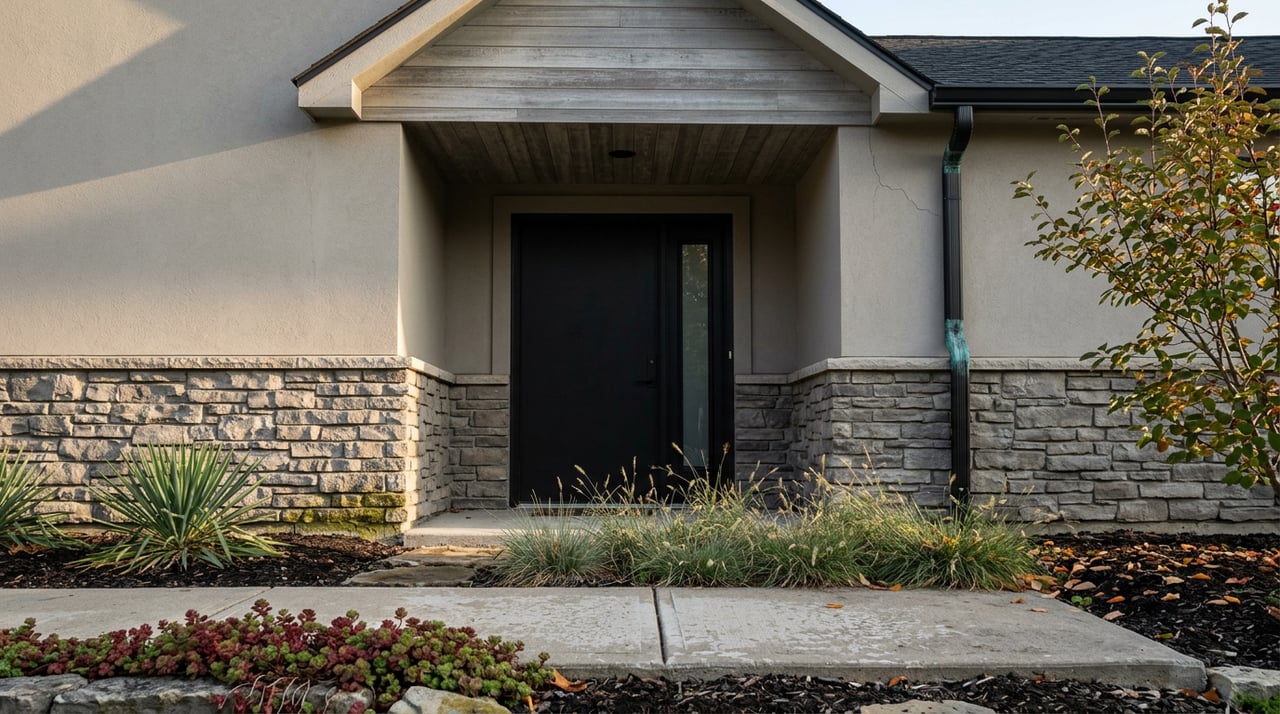
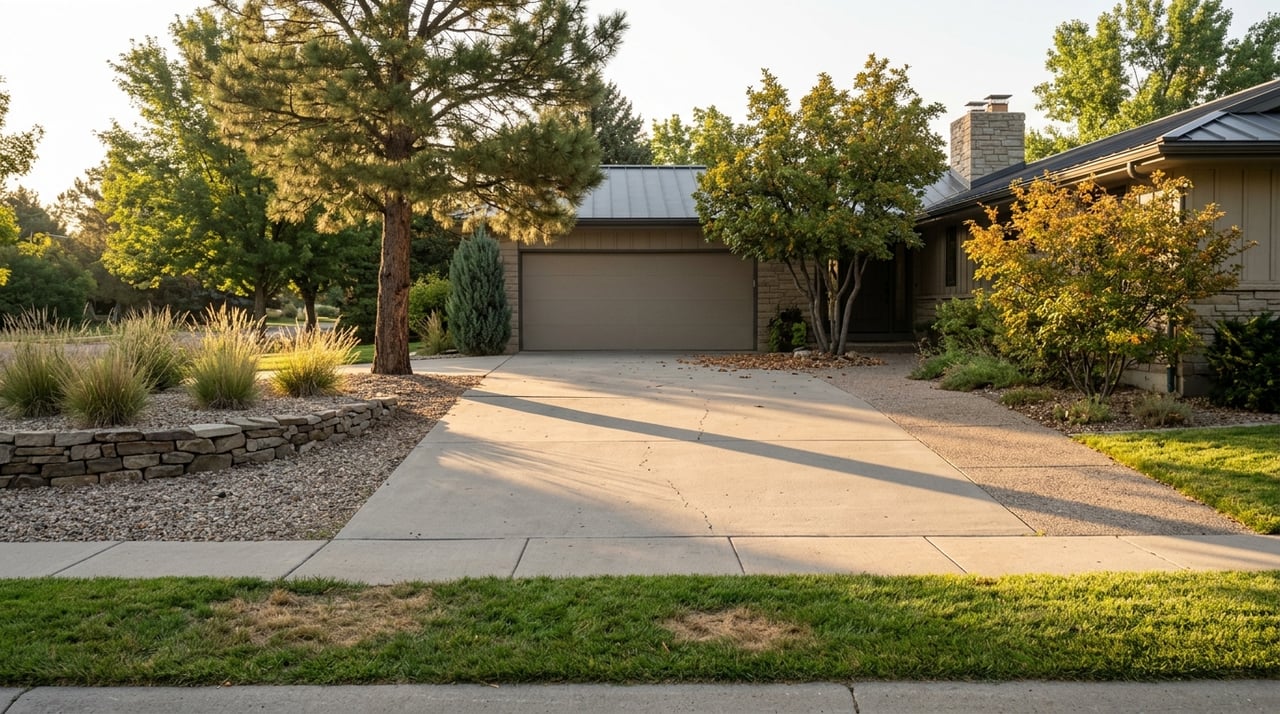
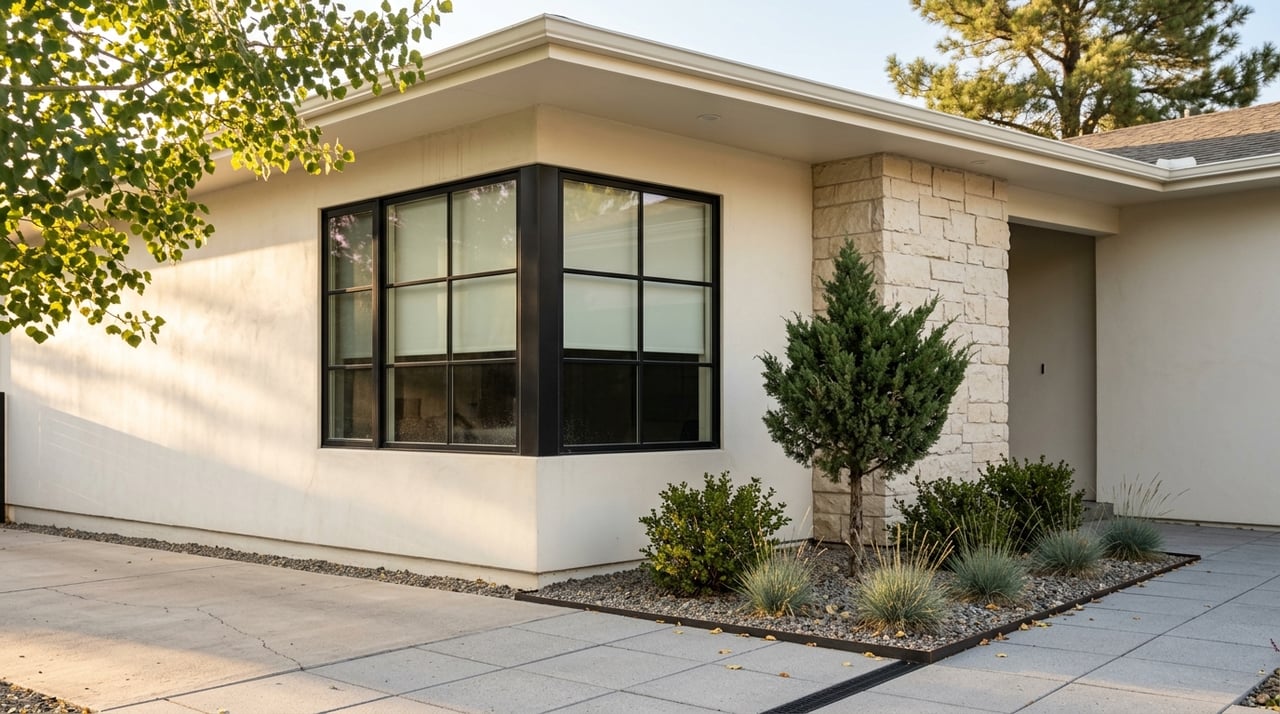
Design-focused buyers should not overlook Boulder’s postwar homes. A city survey of post-World War II residential architecture says the Simple Ranch is the most common postwar house type in surveyed Boulder neighborhoods. These homes often attract buyers who want cleaner lines, practical layouts, and room to improve over time.
The same survey notes common alterations such as replacement windows and siding, garage enclosures, and garage additions. That matters because renovation potential is not just about square footage. It is also about understanding what has already changed and what that means for future work.
Renovating in Boulder Takes More Than Taste
In Boulder, good design decisions usually need to line up with local review rules. If a home is in a historic district or is designated as a landmark, the city requires review and approval for all exterior changes through a Landmark Alteration Certificate. That process is based on standards that ask whether the work preserves the property’s historic character, style, texture, color, materials, and site compatibility.
This does not mean older homes are automatically locked in place. The city is clear that designation is intended to guide compatible change, not freeze an area in time. That is an important distinction if you want to modernize a home while keeping what makes it special.
Older homes outside a historic district still deserve careful review. Boulder says properties older than 50 years may be subject to Historic Preservation Demolition Review when certain work is proposed. The city also stresses that age alone does not create landmark status, but it can still affect what kind of review is required.
What Design-Focused Buyers Should Ask First
Before you fall in love with a façade or start sketching ideas, focus on a few practical questions:
- Is the home in a historic district or individually designated?
- What exterior work has already been approved?
- Are there visible alterations that may affect future renovation plans?
- If the home is older than 50 years, could proposed work trigger demolition review?
- Does the property offer enough regulatory flexibility for the updates you want?
These questions can save you time, money, and frustration. In Boulder, renovation value often depends just as much on regulatory room as it does on lot size or floor plan.
ADUs Are a Bigger Part of the Conversation
Accessory dwelling units have become a more important design and value topic in Boulder. The city says ADUs are now reviewed through the standard building permit process, and updates adopted in February 2025 apply to ADUs proposed on or after March 8, 2025. Boulder also states that owner-occupancy is no longer required.
The city further notes that saturation limits were removed in 2023. For some homeowners, that expands the conversation around multigenerational living, guest space, or investment-minded flexibility. It also means ADU potential may play a larger role in how buyers compare properties.
Historic properties may qualify for larger ADUs, according to the city. Detached ADUs still require sprinkler systems and often involve added fire-code coordination in practice. That makes feasibility a design and process issue, not just a concept on paper.
The city advises homeowners with conceptual design questions to work with a licensed architect or design professional rather than expecting a pre-review service from staff. That is a useful signal for buyers and sellers alike. In Boulder, the strongest outcomes often come from planning early and getting clear on what is actually workable.
Outdoor Living Matters More in Boulder
Boulder’s climate strongly shapes how homes live. With abundant sunshine and a semi-arid environment, outdoor space is not just extra square footage. It is part of how the home functions across much of the year.
The city’s landscape manual says local standards are meant to support attractive, sustainable, and water-efficient landscapes while also growing the urban tree canopy. Another city resource notes that this region is naturally semi-arid shortgrass prairie and would have few trees without irrigation. That helps explain why landscape design in Boulder often balances beauty, durability, and water awareness.
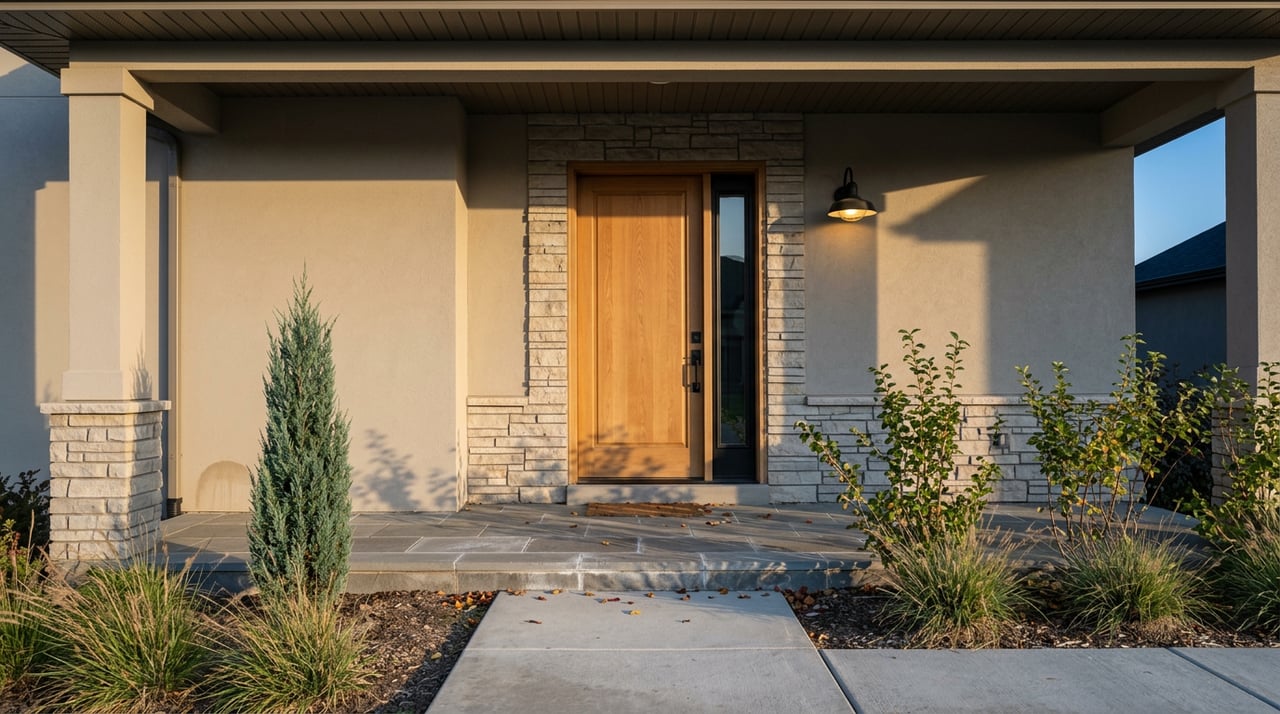
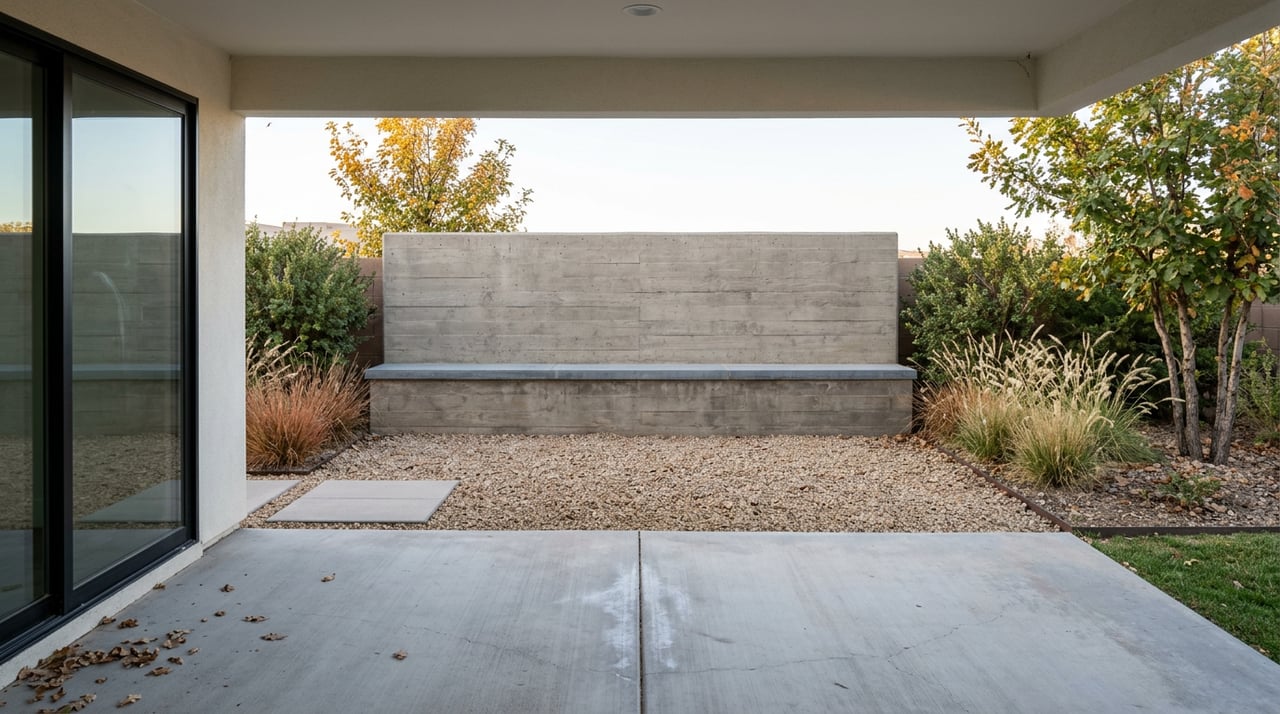
For many homeowners, the best spaces are the ones that create a deliberate transition between indoors and outdoors. Large windows, porches, covered patios, and flexible gathering areas fit naturally with Boulder’s light and climate. If you are evaluating a home, pay attention to how the yard, shade, sun exposure, and indoor sight lines work together.
Wildfire Resilience Is Part of Good Design
In Boulder, resilience is now part of the design conversation. The city’s wildfire-resilient landscapes guide says wildfire resilience and water conservation do not have to compete. Boulder Fire-Rescue also offers home assessments that identify property-level improvements.
The city’s 2025 and 2026 wildfire resilience materials show that home hardening and defensible space have become part of normal planning in many parts of Boulder. For a homeowner, that means exterior materials, vegetation choices, and site layout can all affect how well a property performs over time. Good design here is not just about appearance. It is also about durability and risk awareness.
What Buyers and Sellers Should Focus On
If you are buying in Boulder, the design story of a property should be matched by a process story. A beautiful older home may come with more review requirements. A simple ranch may offer strong upside if the site, approvals, and existing alterations support a smart renovation plan.
If you are selling, your home’s strongest design advantage may not be trend-driven finishes alone. It may be the way the property balances original character, useful updates, outdoor living, and realistic future potential. Buyers in Boulder often respond to homes that feel both visually grounded and practical for modern life.
A few details tend to matter most:
- Historic district or landmark status
- Prior approvals for exterior changes
- ADU feasibility
- Landscape function in sun and semi-arid conditions
- Wildfire resilience and defensible-space planning
- How well the home connects indoor and outdoor living
In a market like Boulder, design value is often about fit. The best homes are not always the newest or the most untouched. They are often the ones that preserve character while adapting well to the way you want to live now.
If you want help evaluating a Boulder home through both a market and design lens, Audrey Michel brings architecture and interior design literacy to practical real estate guidance for buyers, sellers, and investors.
FAQs
What makes Boulder appealing for design-focused homeowners?
- Boulder stands out because of its open-space setting, long preservation tradition, layered housing stock, and strong connection between architecture, landscape, and daily living.
What historic home styles are common in Boulder?
- The city identifies vernacular wood frame and vernacular masonry as common historic forms, with Italianate, bungalow, and modern styles also represented.
What should Boulder buyers know about historic districts?
- If a home is in a historic district or is an individual landmark, exterior changes require review and approval through a Landmark Alteration Certificate.
What should Boulder homeowners know about homes older than 50 years?
- The city says properties older than 50 years may be subject to Historic Preservation Demolition Review for certain proposed work, even if they are not designated landmarks.
What are the current ADU rules in Boulder?
- Boulder says ADUs are reviewed through the standard building permit process, owner-occupancy is no longer required, and updates adopted in February 2025 apply to ADUs proposed on or after March 8, 2025.
Why does landscape design matter so much in Boulder?
- Boulder’s semi-arid climate, sunshine, water-efficiency standards, and tree-canopy goals make landscape planning an important part of how a property looks, functions, and holds up over time.
How does wildfire resilience affect Boulder home design?
- The city’s guidance shows that home hardening, defensible space, and wildfire-resilient landscape choices are now a normal part of homeowner planning in many parts of Boulder.