Wondering how to spot a Thornton home with real upside instead of a money pit? In a market where inventory feels tight and many buyers want more function without taking on a full rebuild, the best value-add opportunities are often the homes that need smart updates, not massive overhauls. If you are looking at homes in Thornton, this guide will help you identify where value is most likely to come from, what kinds of projects are more realistic, and how to screen for permit and timeline risks before you buy. Let’s dive in.
Why Thornton Creates Value-Add Potential
Thornton offers a useful mix for buyers looking for upside. According to the city’s housing needs assessment, 72.7% of housing units were owner-occupied in 2022, and Census QuickFacts in that same report shows a median owner-occupied home value of $517,500. That owner-occupied profile tends to support steady demand for homes with practical, livable improvements.
Thornton’s housing stock is also mixed in a way that matters. The city reports that 41% of homes were built in 2000 or later, but older homes are more concentrated in southern parts of Thornton. That means your best value-add opportunities may often be found in established areas where the structure is sound, but the layout, finishes, or systems feel dated.
Demand conditions also matter here. The same city report shows the homeowner vacancy rate dropped to 0.7% in 2022, while rental vacancy fell to 3.1%. In a tighter market like this, homes that can be updated efficiently and legally may stand out faster than homes needing major reconstruction.
What Value-Add Usually Looks Like in Thornton
In Thornton, the strongest opportunities are often not dramatic tear-down projects. They are usually homes that are basically solid but could work better with a smarter layout, more usable finished space, or updated systems and surfaces.
That fits both the local housing stock and the city’s permit framework. Thornton’s homeowner rapid-review guidance specifically highlights projects like basement finishes, kitchen or interior remodels, foundation repairs, window and door replacement, small additions, attached garages, patio covers, decks, carports, solar PV, and energy storage systems. That is a strong clue that many of the most realistic improvements involve upgrading the existing home rather than starting over.
Look for Functional, Not Just Cosmetic, Upside
A pretty house is not always a value-add house. In Thornton, a better target is often a home where a modest renovation can improve how the space actually works day to day.
The city’s housing assessment notes that 71.4% of occupied households are family households, with many 2-person and 3-person households. In practical terms, that means layout efficiency, usable living space, bedroom count, and bathroom function can matter just as much as trendy finishes.
Common Thornton Opportunities
When you tour homes, keep an eye out for these potential value-add plays:
- Underused or unfinished basements that could add legal living space
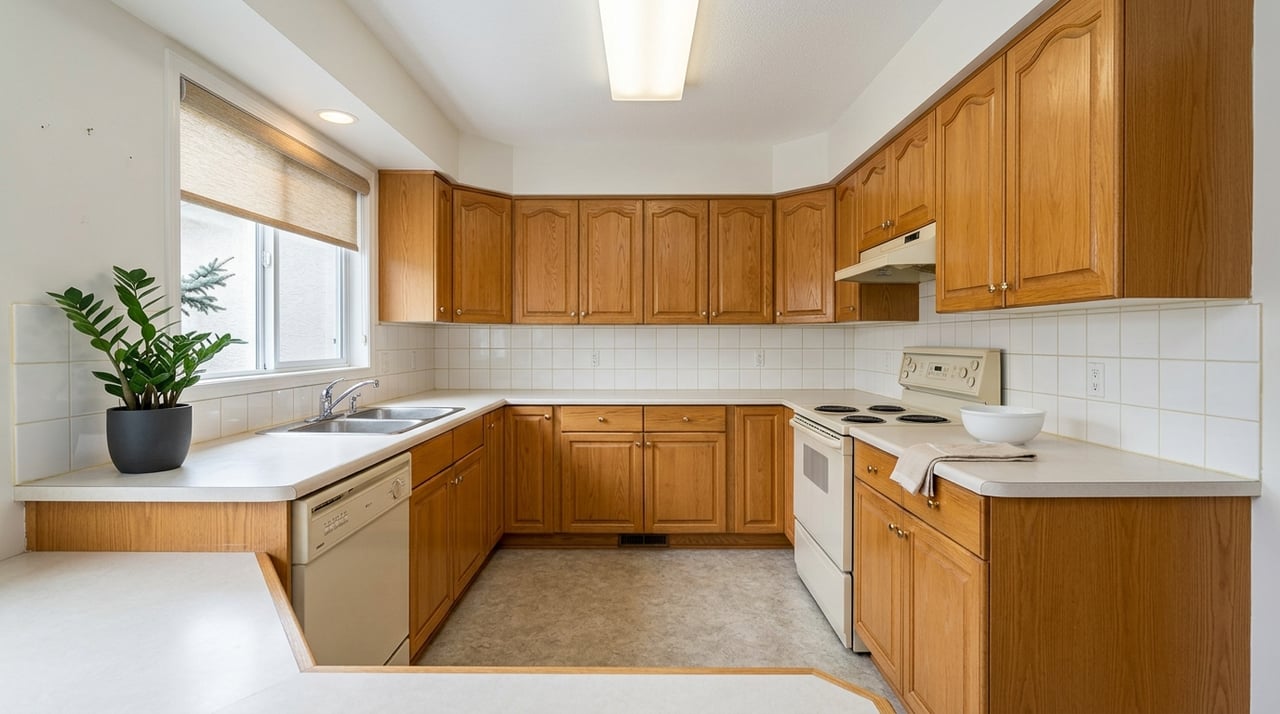
- Dated kitchens with poor flow but workable footprints
- Closed-off living areas that may benefit from interior remodeling
- Older windows or doors that may improve comfort and efficiency when replaced
- Homes with room for a small addition, attached garage, deck, or patio cover
- Lots or zoning situations where an ADU may be worth exploring
Thornton also allows ADUs in single-family zones, according to the city’s housing needs assessment, though they require planning review and approval before a building permit application. That makes ADUs a possible value-add path, but one that needs careful due diligence.
Cosmetic Updates vs. Permit Projects
One of the smartest ways to evaluate a Thornton listing is to separate quick updates from projects that affect structure, systems, or use. That distinction can shape your budget, timeline, and risk.
Thornton’s building permit information says permits are generally required when work involves constructing, enlarging, remodeling, altering, repairing, moving, improving, removing, converting, demolishing, or changing occupancy. In plain terms, once a project goes beyond surface-level updates, permit requirements usually become part of the equation.
Lower-Friction Updates
According to Thornton’s required building permits guide, some common updates do not require a building permit, including:
- Painting
- Flooring
- Wallpaper
- Replacing plumbing fixtures
- Replacing cabinets and countertops
- Adding insulation
- Changing light fixtures
These are often the fastest and most affordable ways to improve a home when the structure and major systems are already in acceptable shape.
Projects More Likely to Need Permits
That same city guide says permits are generally required for projects such as:
- Basement finishes
- Remodeling
- Furnace or AC replacement
- Water heater or boiler replacement
- Gas lines
- Electrical modifications
- Plumbing modifications
- Structural modifications
- Replacement windows and doors
- Solar PV and battery storage
- Attached decks and patio enclosures
For buyers and investors, this is where value-add analysis gets more serious. A home may still be a great opportunity, but your timeline and renovation scope need to reflect real permitting requirements.
Where to Focus During Home Tours
When you walk through a Thornton property, try to think like both a buyer and a project manager. The goal is to identify upside that is visible, practical, and legally achievable.
Ask These Value-Add Questions
Use this simple screening checklist when evaluating listings:
- Is the upside mostly cosmetic, or will it require system, structural, or layout work?
- Could the home benefit from a basement finish, minor remodel, deck, patio cover, or small addition that fits Thornton’s faster review categories?
- Is there hidden usable space in the basement or room to expand legally?
- Does the floor plan feel dated but fixable, especially in older parts of Thornton?
- Has prior seller work been properly documented?
This framework matters because the best Thornton opportunities are often homes that can gain function without creating major permit or inspection delays.
Pay Attention to Older Southern Housing Stock
Thornton’s housing needs assessment notes that older homes are concentrated in the city’s southern block groups. That does not guarantee value, of course, but it does suggest where you may be more likely to find homes with dated layouts, older finishes, and renovation potential.
In many cases, these homes may offer the most appealing balance between price point and improvement potential. The opportunity is often not luxury-level transformation. It is making an older suburban home feel more open, more useful, and more current.
How Permits Affect Timelines in Thornton
If you are buying with renovation in mind, timing matters almost as much as price. A project that looks simple on paper can stretch out if permits, reviews, and inspections are not factored in from the start.
Thornton says on its building permits and inspections page that most homeowner permits can be processed with a one-business-day rapid review if the submittal is complete and falls within standard residential code requirements. The city lists decks, carports, patios, basement finishes, minor remodels and additions, solar installs, and residential electrical or mechanical upgrades as examples.
For projects outside that lane, Thornton says first plan-review turnaround is 8 working days or less for residential remodels and miscellaneous projects and 13 working days or less for new residential projects. That can still be reasonable, but it means your actual project schedule is about more than construction labor alone.
Inspections and Fees Matter Too
Inspections are scheduled through the CityView portal, which is also a useful place to review permit history and permit status. The city notes that some inspections, including roof and solar PV inspections, are handled virtually, and some basement-finish re-inspections may be virtual at the inspector’s discretion.
You should also budget for permit-related costs. Thornton’s building permit fee schedule says remodel and renovation valuation is based on labor plus materials, or materials times two. The city also states that the plan review fee is 65% of the building permit fee, reinspection fees are $75, and work done without a permit can trigger an investigation fee equal to the building permit fee, with a $75 minimum.
Use City Records Before You Write an Offer
Before you move forward on a value-add property, verify what has already been done. If a seller has modified windows, doors, decks, HVAC, plumbing, electrical, or added finished space, you want to know whether that work appears in the city’s records.
Thornton’s CityView portal tools can help you check permit history, permit status, documents, and inspection scheduling. This step can help you avoid surprises, refine your renovation scope, and make a cleaner offer based on facts rather than assumptions.
The Best Thornton Value-Add Mindset
In Thornton, the best opportunities are often the homes that are already fundamentally sound and just need better use of space, better flow, or better systems. In a market with tight vacancy and a strong owner-occupied base, homes that become more functional and move-in ready can have a meaningful edge.
That is why smart value-add buying here is usually about discipline. You are not just asking whether a house looks dated. You are asking whether the improvement path is realistic, permitted, and likely to create livable value without avoidable delays.
If you want help evaluating Thornton homes for renovation potential, pricing strategy, or resale upside, Audrey Michel brings practical real estate guidance with design and construction literacy to help you make clearer decisions.
FAQs
What makes a home a value-add opportunity in Thornton, CO?
- A strong Thornton value-add home is often structurally sound but dated, with potential for cosmetic updates, better layout flow, added usable space, or system upgrades.
What home projects usually need permits in Thornton, CO?
- Thornton generally requires permits for projects like basement finishes, remodels, HVAC replacement, plumbing or electrical modifications, structural changes, replacement windows and doors, solar installs, and attached decks.
What home updates do not usually need permits in Thornton, CO?
- Thornton says common non-permit updates include painting, flooring, wallpaper, replacing plumbing fixtures, replacing cabinets and countertops, adding insulation, and changing light fixtures.
How can you check permit history for a Thornton home?
- You can review permit history, permit status, and related documents through Thornton’s CityView portal before you buy or plan renovations.
Are ADUs allowed for single-family homes in Thornton, CO?
- Thornton allows ADUs in single-family zones, but planning review and approval are required before submitting a building permit application.
How fast are residential permit reviews in Thornton, CO?
- Thornton says many homeowner permits may qualify for one-business-day rapid review if the application is complete, while other residential remodel reviews are typically turned around in 8 working days or less.