Wondering how much you really need to do before listing your Arvada home? In a market where buyers have more options and more time to compare properties, presentation can shape whether your home feels move-in ready or easy to overlook. This guide walks you through the design-forward updates that matter most, where to focus your budget, and how to prepare your home for a stronger first impression online and in person. Let’s dive in.
Why Presentation Matters in Arvada
Arvada is still an active market, but it is not moving at the same pace it did a year ago. According to Redfin’s Arvada housing market data, the median sale price in February 2026 was $599,150, down 7.8% year over year, and homes sold in an average of 54 days compared with 24 days a year earlier.
Other local snapshots point to the same trend. Realtor.com’s January 2026 Arvada market view shows buyers have more inventory to choose from in parts of the area, and conditions can vary by zip code and price point. That means your prep plan should match your home’s location, condition, and competition, not follow a one-size-fits-all checklist.
In a more selective market, buyers tend to notice visible condition issues faster. They are also more likely to compare your home against newer listings, staged homes, and properties with sharper photography. A design-forward sale is not about making your house look trendy. It is about making it feel clean, current, and easy to understand.
Focus on Visible Improvements
If you are deciding between a major remodel and a smart pre-listing refresh, current research strongly favors the refresh. In the 2025 Remodeling Impact Report, 46% of REALTORS® said buyers are less willing to compromise on a home’s condition than they used to.
The same report found that the projects agents most often recommend before selling are painting the entire home, painting one room, and replacing roofing where needed. It also noted increased demand for kitchen upgrades, bathroom renovations, and whole-home interior paint. For most Arvada sellers, that points to a simple strategy: improve what buyers can see right away rather than starting a long, expensive renovation.
A design-forward listing often starts with a few practical questions:
- Do the walls look fresh and consistent?
- Are there worn finishes or obvious deferred-maintenance items?
- Does the kitchen feel clean and edited, even if it is not newly remodeled?
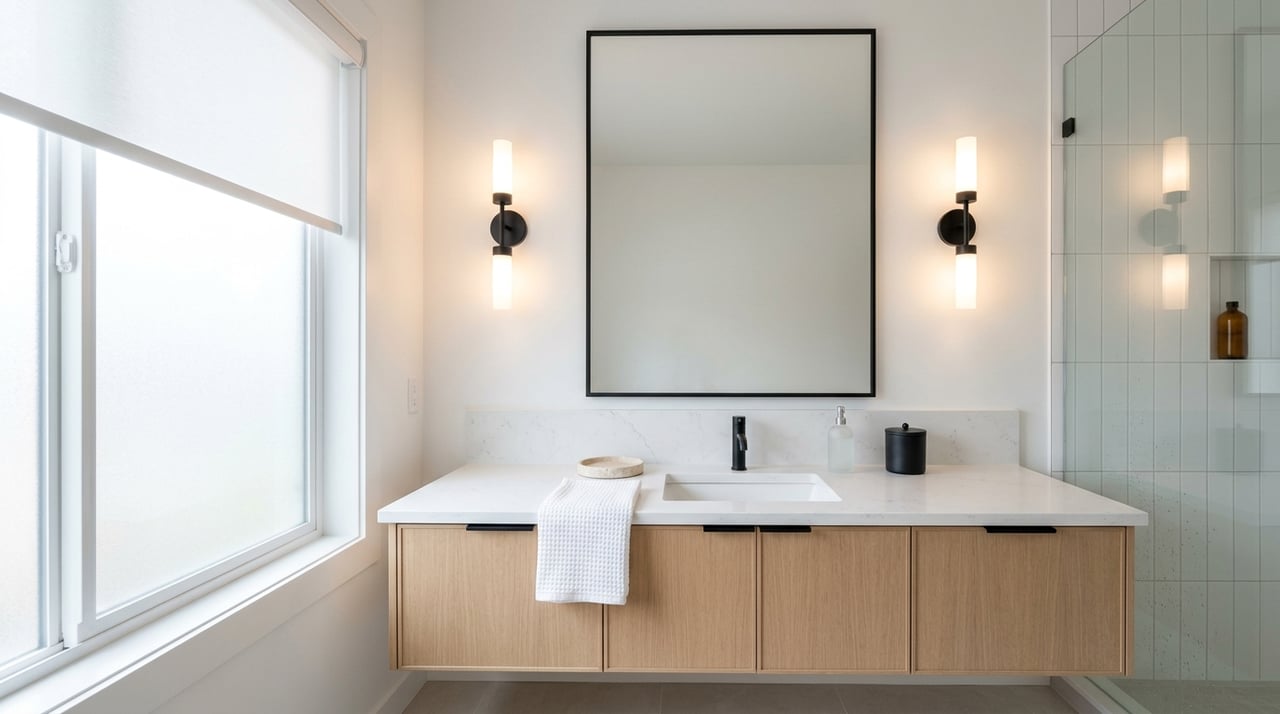
- Does the home read as bright, open, and well cared for in photos?
If you can answer yes to most of those, you are usually on the right track.
Start With Paint and Touch-Ups
Paint remains one of the clearest pre-sale improvements because it changes how buyers read the whole home. Fresh, neutral paint helps rooms feel brighter, cleaner, and more cohesive. It also reduces visual distractions in listing photos and showings.
This does not mean every room needs a full overhaul. In many homes, strategic touch-ups on high-visibility walls, trim, doors, and baseboards can go a long way. If your current colors are bold, inconsistent, or heavily personalized, broader repainting may be worth it before you go live.
The goal is not to erase personality. The goal is to create a calm backdrop so buyers notice the layout, natural light, and finishes instead of the wall color.
Boost Curb Appeal First
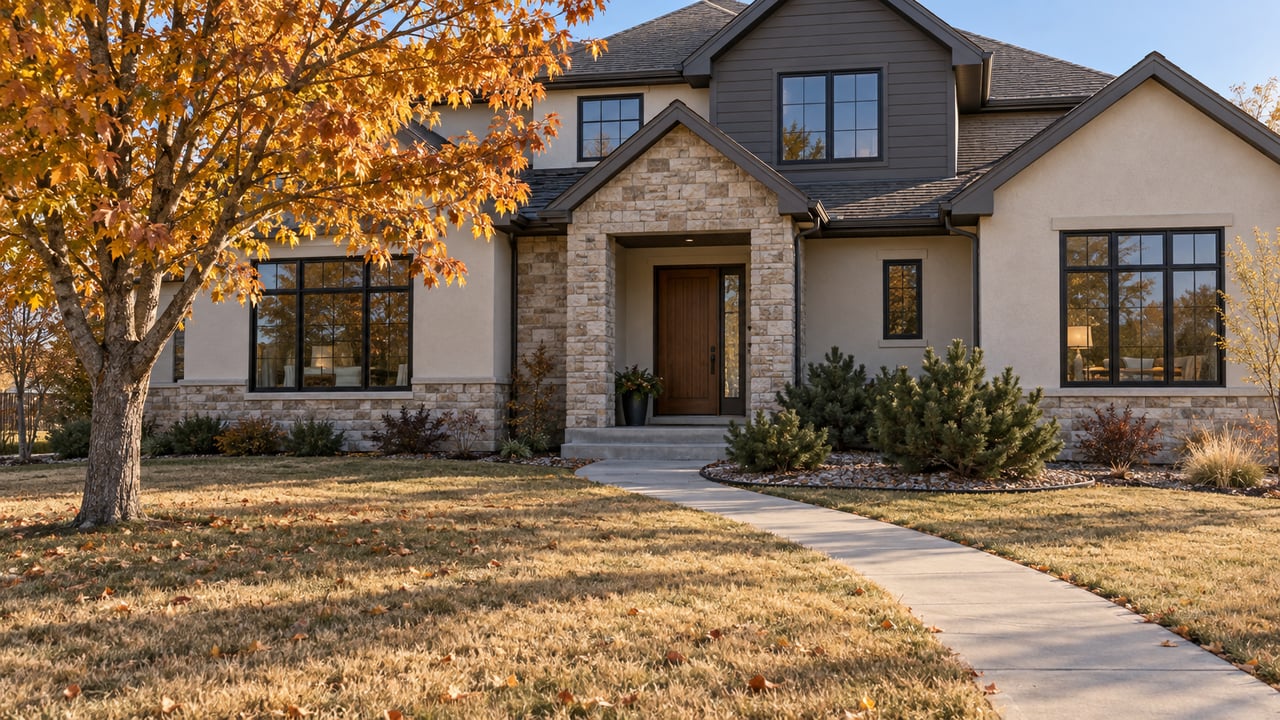
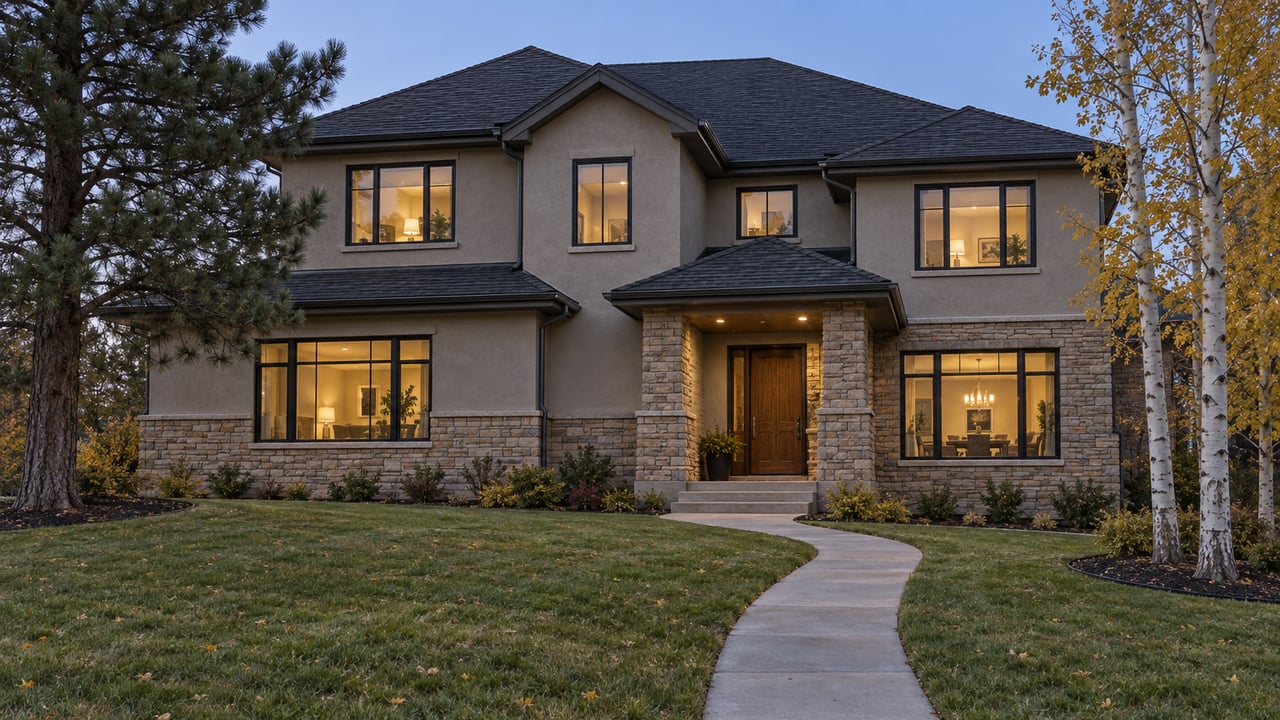
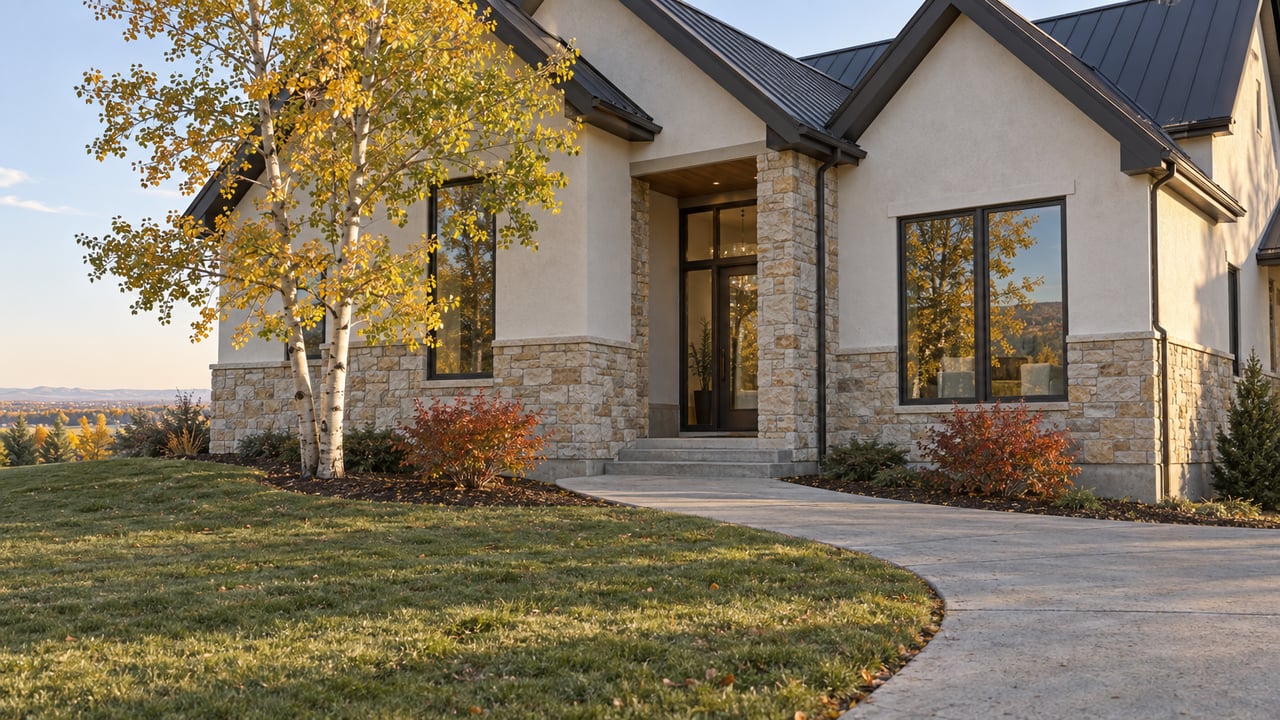
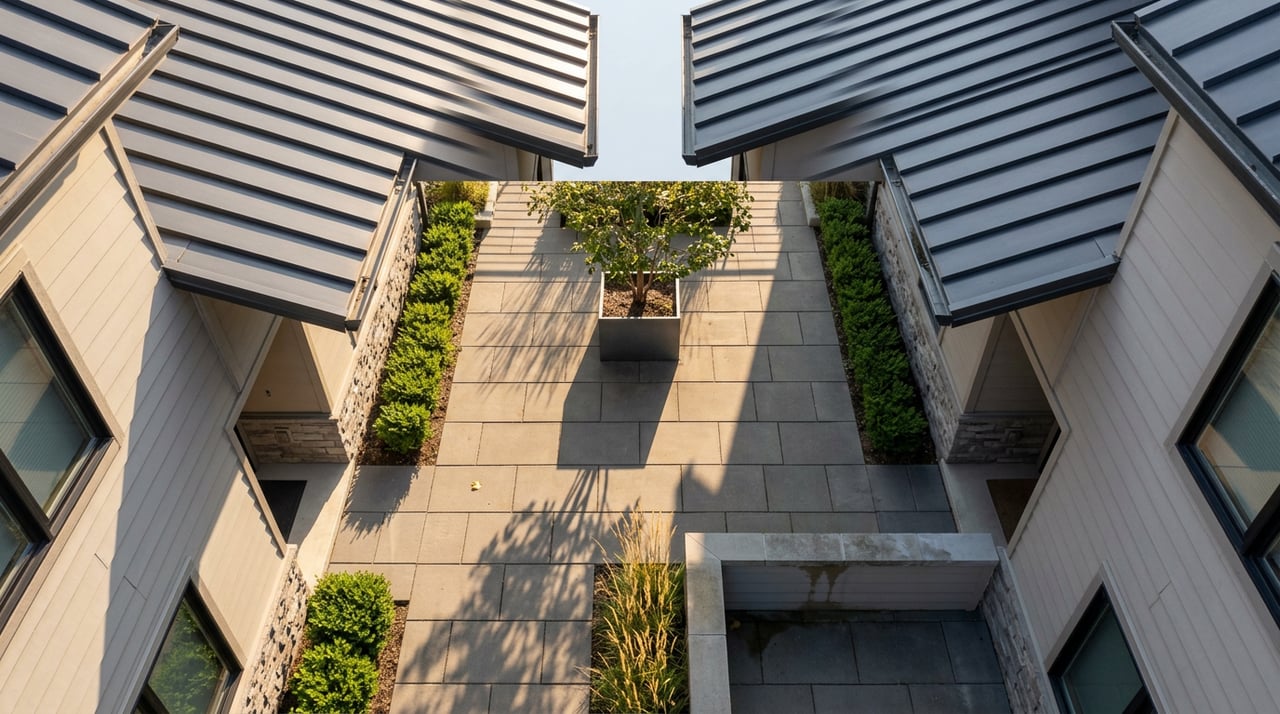
Your listing starts at the curb, not the front door. The NAR outdoor-features report found that 92% of REALTORS® have suggested sellers improve curb appeal before listing, while 97% said curb appeal is important in attracting a buyer.
That makes exterior prep one of the highest-value parts of a design-forward sale. In Arvada, where buyers may be comparing homes across multiple subdivisions and price bands, a tidy, intentional exterior can help your property stand out before anyone steps inside.
Focus on simple, visible improvements such as:
- Refreshing mulch or rock beds
- Trimming shrubs and low branches
- Sweeping the walkway and porch
- Cleaning the front door and hardware
- Replacing tired house numbers or a worn welcome mat
- Touching up exterior paint where needed
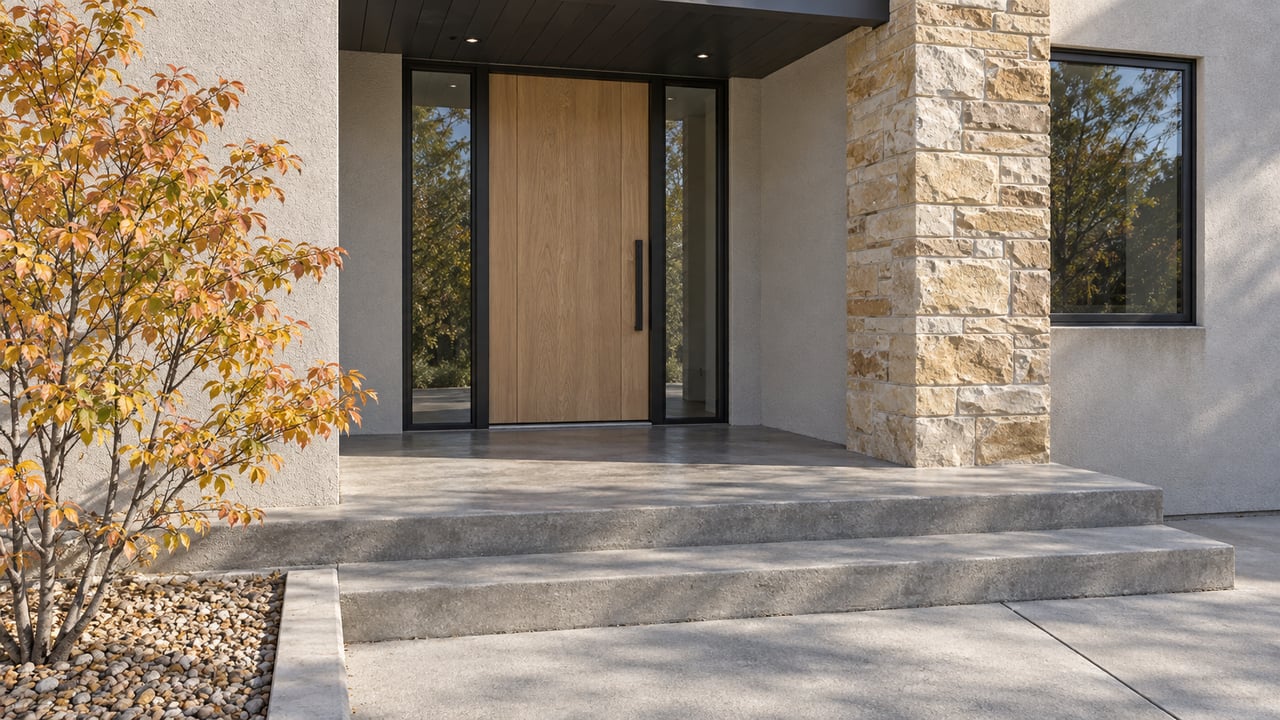
The front entry deserves extra attention. NAR’s remodeling research noted that a new steel front door recovered 100% of project cost, which makes the entry sequence one of the strongest first-impression upgrades if your current door is outdated or worn.
Stage the Rooms Buyers Notice Most
You do not need to stage every square foot to create a polished listing. According to the 2025 Profile of Home Staging snapshot, 83% of buyers’ agents said staging makes it easier for buyers to visualize a property as a future home. The spaces staged most often were the living room, primary bedroom, and dining room.
That gives you a clear order of priority. If your budget is limited, start with the rooms that shape the emotional first impression and help buyers understand how the home lives.
Living Room Priorities
The living room is often the visual anchor of the listing. It should feel open, balanced, and easy to move through. Remove extra furniture, simplify shelves, and create a conversational furniture layout that shows scale without crowding the room.
Primary Bedroom Priorities
The primary bedroom should read as restful and spacious. Use simple bedding, reduce furniture if the room feels tight, and clear off dressers and nightstands. Soft, neutral styling tends to photograph better than busy patterns or too many accent pieces.
Dining Area Priorities
The dining room or dining area helps define lifestyle and flow. If the room is underused, staging it clearly can prevent buyers from seeing it as wasted space. Even a simple table setting and clean lighting can help the room feel intentional.
Kitchen Priorities
While the kitchen is not always the most fully staged room, it is one of the most important spaces in buyer decision-making. Zillow’s staging guidance recommends decluttering, depersonalizing, deep cleaning, and giving each space a clear purpose.
For the kitchen, that usually means clearing counters, removing magnets and papers, editing small appliances, and making sure finishes feel clean and light-reflective. A few restrained details can help, but less is usually more.
Declutter Like a Designer
One of the fastest ways to create a more design-forward look is to edit the home before you style it. Decluttering is not just about neatness. It helps buyers understand room size, storage, circulation, and function.
Zillow recommends that sellers declutter, depersonalize, deep clean, hide pet items and odors, maximize light, and use neutral colors where possible. Those steps matter because buyers are often filtering homes quickly online before deciding what to see in person.
As you edit, focus on:
- Clearing countertops, desks, and open shelves
- Removing oversized or extra furniture
- Packing away personal photos and highly specific decor
- Organizing closets so they look usable, not overfilled
- Storing pet bowls, beds, and litter items during photos and showings
This is where design and practicality meet. A room that feels visually calm usually also feels larger and more move-in ready.
Plan for Photos and 3D Tours
Your online presentation is now one of the biggest parts of the sale. Zillow reports that 79% of recent buyers shopped online to find their home, and nearly half said professional photos were extremely or very important to their experience. In its real estate photography tips for sellers, Zillow recommends 22 to 27 listing photos and notes that homes with fewer than nine photos are about 20% less likely to sell within 60 days.
That matters because photos are often the first screening tool buyers use. If the home looks dark, cluttered, or inconsistent online, many buyers may never schedule a showing.
Before photography day, make sure you:
- Deep clean every room
- Open blinds and maximize natural light
- Remove visual clutter from floors and counters
- Stage each room with a clear purpose
- Hide cords, trash cans, and pet items
- Remove window screens when better natural light is needed
Zillow also notes that 62% of buyers in 2024 wished more listings had 3D tours, and 72% said a 3D tour would help them get a better feel for the space than static photos alone. Video walkthroughs can also increase views and saves. For vacant or lightly furnished Arvada homes, virtual staging may help show scale and function without the cost of full physical staging.
Set a Smart Presentation Budget
A lot of sellers assume design-forward prep means a large renovation bill. In reality, the better framing is often a presentation budget. Zillow’s staging cost guidance says average staging costs about $995, with most homeowners spending between $598 and $1,201 depending on scope. Professional real estate photography typically adds about $150 to $200.
That can be a useful reset if you are weighing where to spend. For many homes, a modest budget aimed at cleaning, paint, editing, selective staging, and photography can produce a stronger listing than a rushed partial remodel.
A practical budget often goes further when you prioritize:
- Decluttering and deep cleaning
- Paint or surface touch-ups
- Front entry and curb appeal
- Staging key rooms
- Professional photos, plus 3D or video if helpful
This order supports both buyer expectations and listing performance. It also keeps you focused on the changes most likely to improve first impressions.
Match the Prep to Your Arvada Submarket
Not every Arvada listing should be prepared the same way. Some areas and price points move differently, and buyer expectations may vary based on competition, home age, and style. That is one reason local prep strategy matters.
For example, Realtor.com’s 80007 market snapshot showed 194 active listings, a $790K median listing price, and 22 median days on market in early 2026. That is materially different from broader citywide figures and supports a more tailored approach.
If your home competes in a newer or higher-priced segment, buyers may expect a more polished visual presentation from day one. If your home is older or has more modest finishes, the right strategy may be to present it as clean, bright, and well maintained rather than over-updated. The key is aligning the prep with the likely buyer and the nearby competition.
A Simple Pre-Listing Sequence
If you want a practical roadmap, keep it simple. The strongest prep sequence supported by current research is:
- Declutter and deep clean
- Repaint or touch up visible surfaces
- Improve curb appeal and the entry
- Stage the living room, primary bedroom, dining area, and kitchen
- Schedule professional photography and, if useful, a 3D or video tour
This sequence works because it addresses the full buyer journey. Buyers notice condition first, then layout and atmosphere, then how the home shows online compared with other listings.
If you are preparing your Arvada home for a design-forward sale, the best moves are usually the clearest ones. Focus on visible condition, calm styling, strong light, and clean photography. If you want help deciding what to update, what to skip, and how to position your home for the current market, connect with Audrey Michel for practical, design-informed listing guidance.
FAQs
What updates matter most before selling a home in Arvada?
- The most useful pre-listing updates are usually visible improvements like fresh paint, touch-ups, curb appeal work, and staging in key rooms rather than major renovations.
Which rooms should I stage before listing an Arvada home?
- The top priorities are the living room, primary bedroom, dining room, and kitchen because these spaces most strongly shape buyer first impressions and help buyers visualize daily living.
Do I need a full renovation for a design-forward home sale in Arvada?
- No. Current research supports a presentation-focused approach built around condition, cleanliness, neutral styling, and strong photography rather than a large remodel.
Is professional photography worth it for an Arvada listing?
- Yes. Buyers often start their search online, and professional photos play a major role in whether they decide to schedule a showing.
How much should I budget to prepare an Arvada home for sale?
- Many sellers can improve presentation with a modest budget focused on staging, cleaning, paint, curb appeal, and photography instead of taking on a broader renovation project.