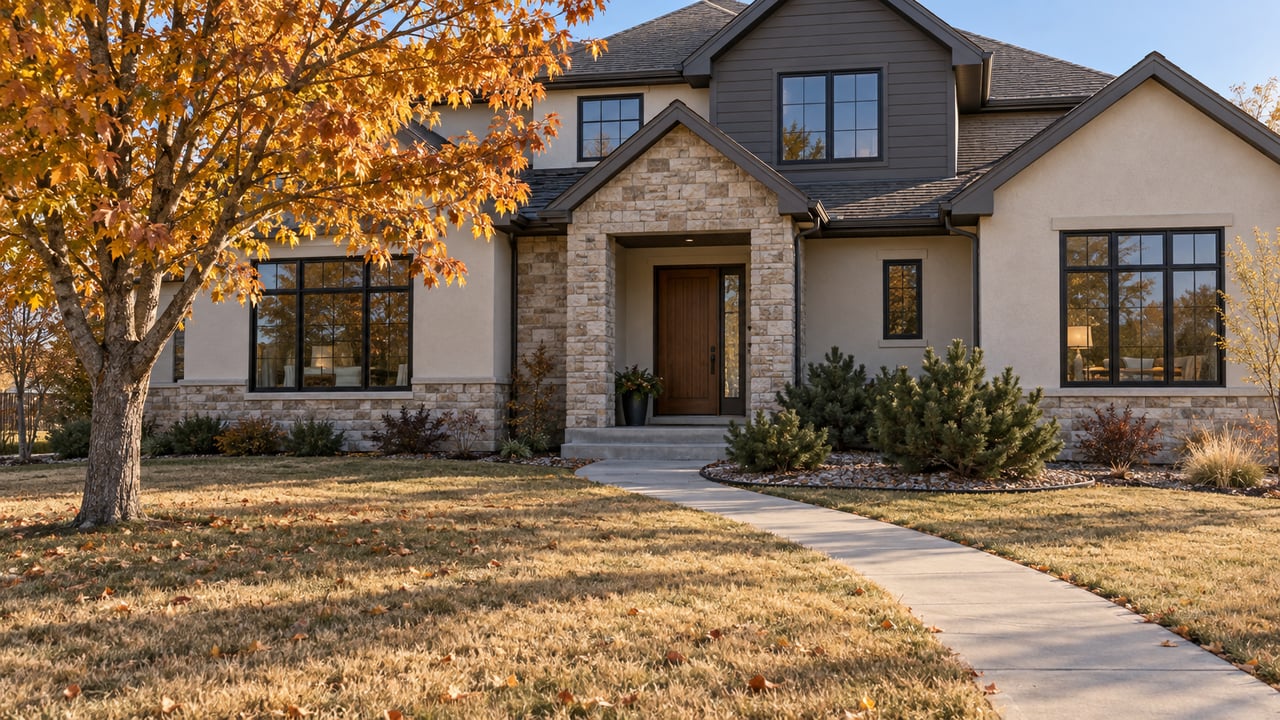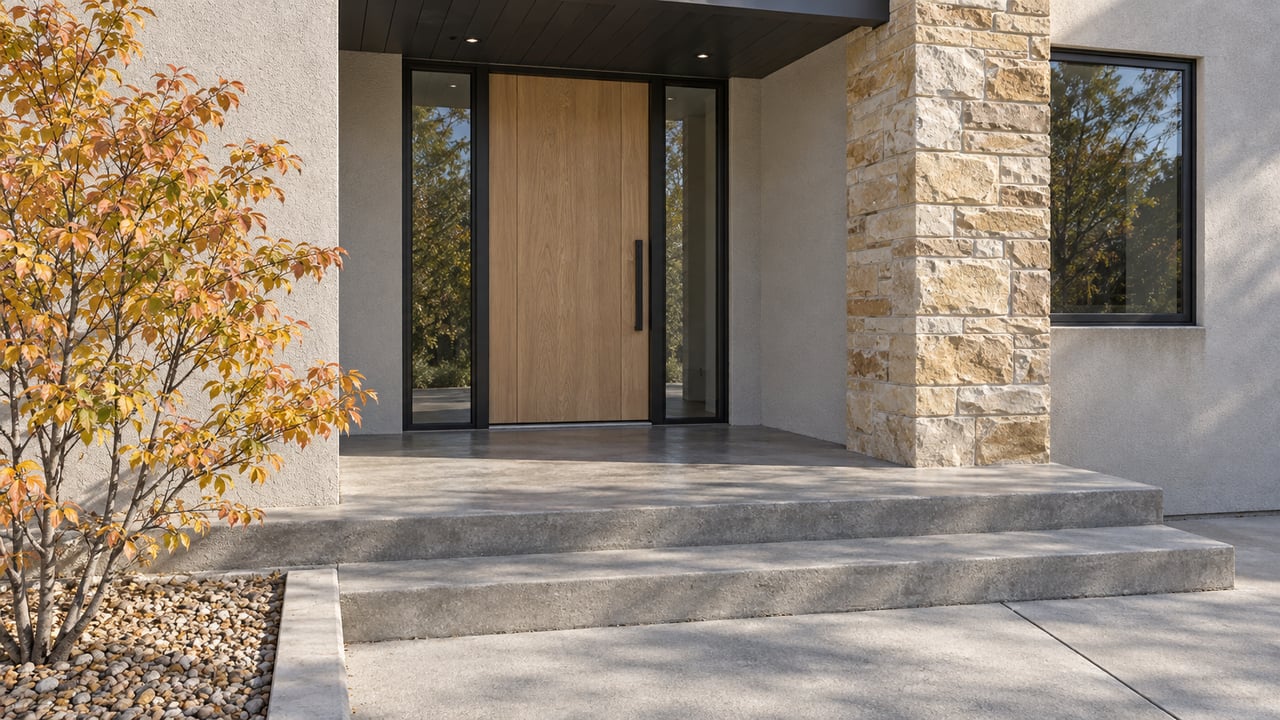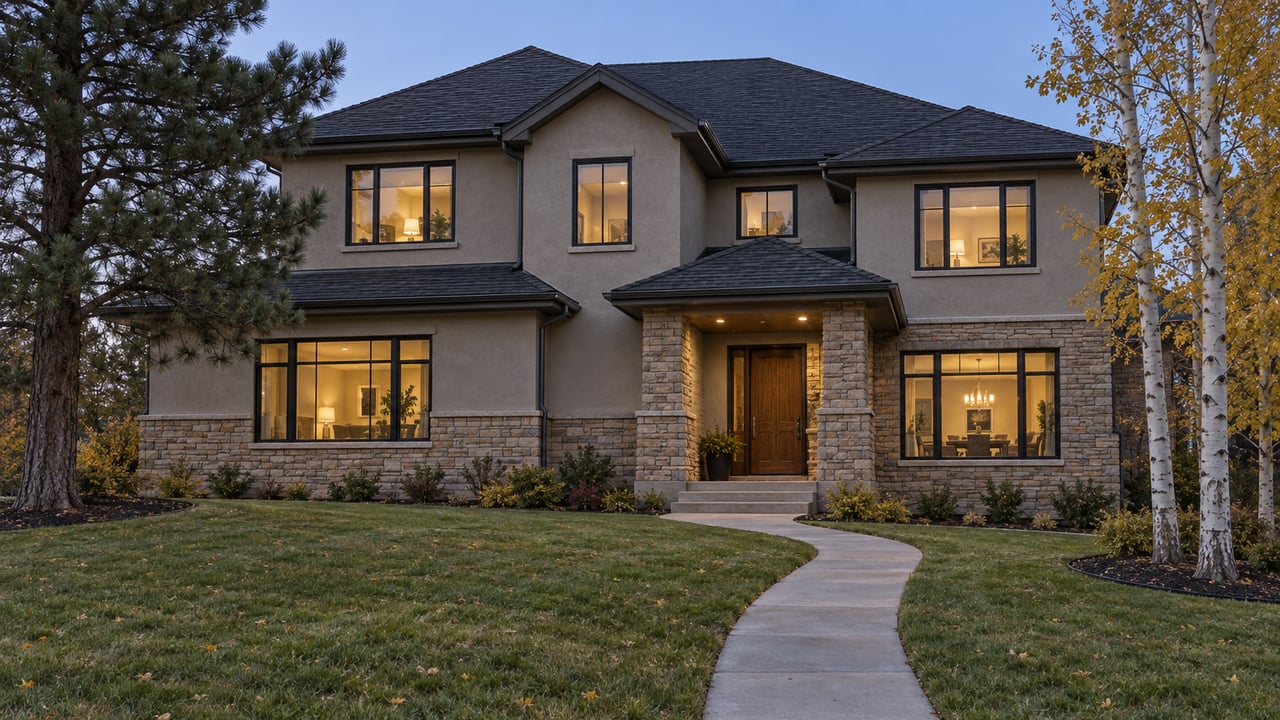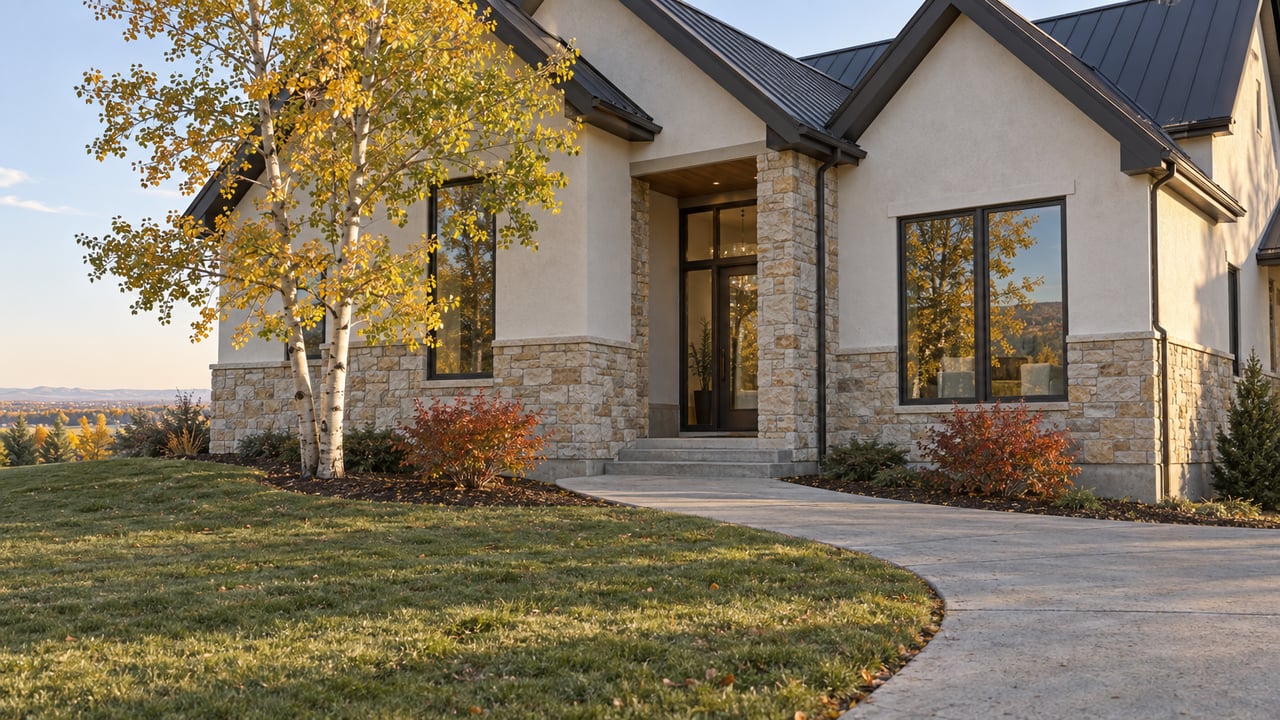
Buying a Boulder condo or townhome can look simple on the surface, but attached homes reward a more careful eye. If you care about design, layout, and long-term value, the details that matter are often not the splashy ones. When you know what to look for in Boulder, you can spot the difference between a pretty unit and a smart purchase. Let’s dive in.
Boulder Attached Homes Need a Different Lens
In Boulder, condos and townhomes are not just smaller versions of detached houses. The Boulder County Assessor separates condos from townhomes and even breaks some townhome market areas into more specific sections, including west-of-Broadway and downtown versus other areas. That is a strong sign that like-for-like comparisons matter when you are evaluating price, design, and resale potential.
That matters because two attached homes with similar square footage can perform very differently. A condo with better light, a more efficient plan, and stronger common-area upkeep may offer better value than a larger unit with awkward flow or visible exterior wear. In Boulder, micro-market context matters.
What the Spring 2026 Market Suggests
Spring 2026 public market snapshots point to Boulder as a high-priced market that is closer to balanced than overheated. Realtor.com described Boulder as balanced in March 2026, while Zillow showed similar broader conditions with a different methodology. The exact numbers vary by source, but the overall message is consistent.
For buyers, that means you may have a little more room to evaluate quality instead of rushing past red flags. At the same time, attached inventory is still fairly limited, with Zillow showing 191 condos and 66 townhomes for sale at the time of the report. In a market like that, the best-designed units can still stand out quickly.
Design Features Worth Paying For
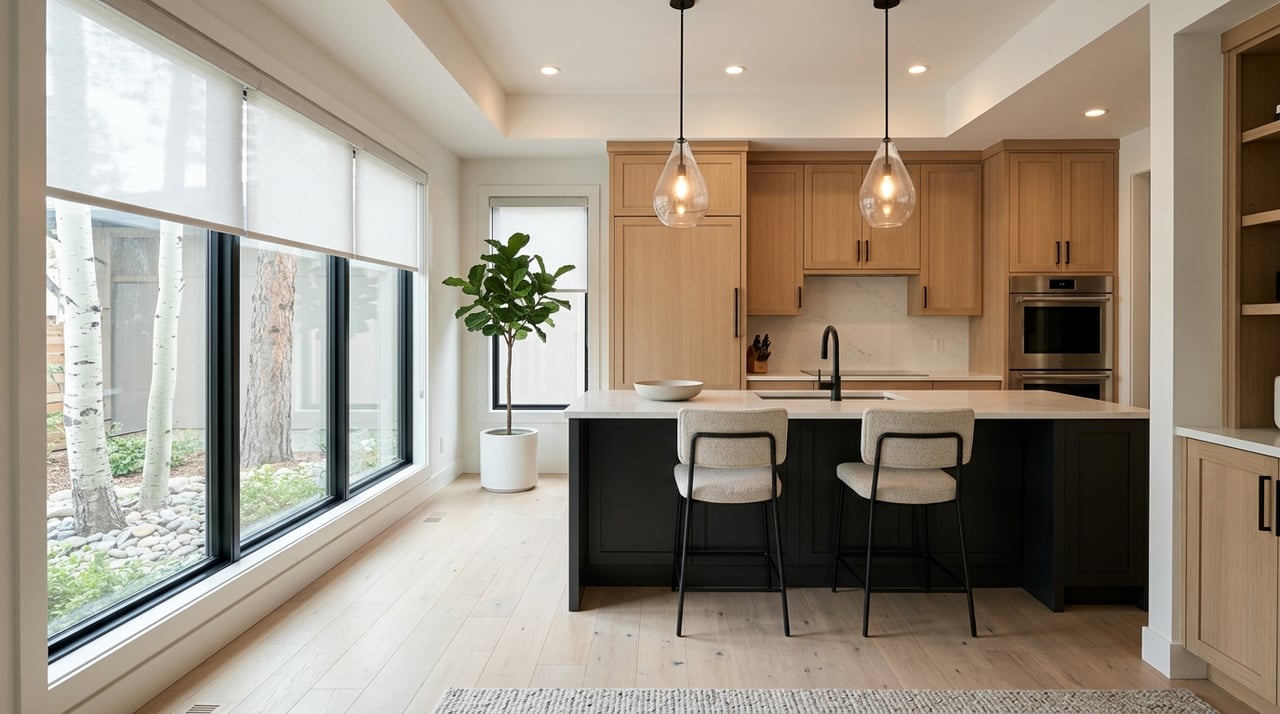
If you are buying with a design eye, start with the parts of a home that are hardest to change. Boulder’s design review standards emphasize outdoor space, compatibility of scale and massing, durable natural materials, and human-scale details like window and door placement. For you as a buyer, that translates into daily livability.
Look closely at these features:
- Natural light throughout the day
- Corner or end-unit exposure
- Usable balcony or patio space
- Ceiling height and overall volume
- Open, efficient room flow
- Window placement that makes rooms feel balanced
- Materials and details that feel durable, not just trendy
A fresh kitchen can be changed over time. Light, proportion, and flow are much harder to fix. If a unit feels dark, chopped up, or cramped despite good finishes, think carefully before paying a premium.
Why Exterior Quality Matters Too
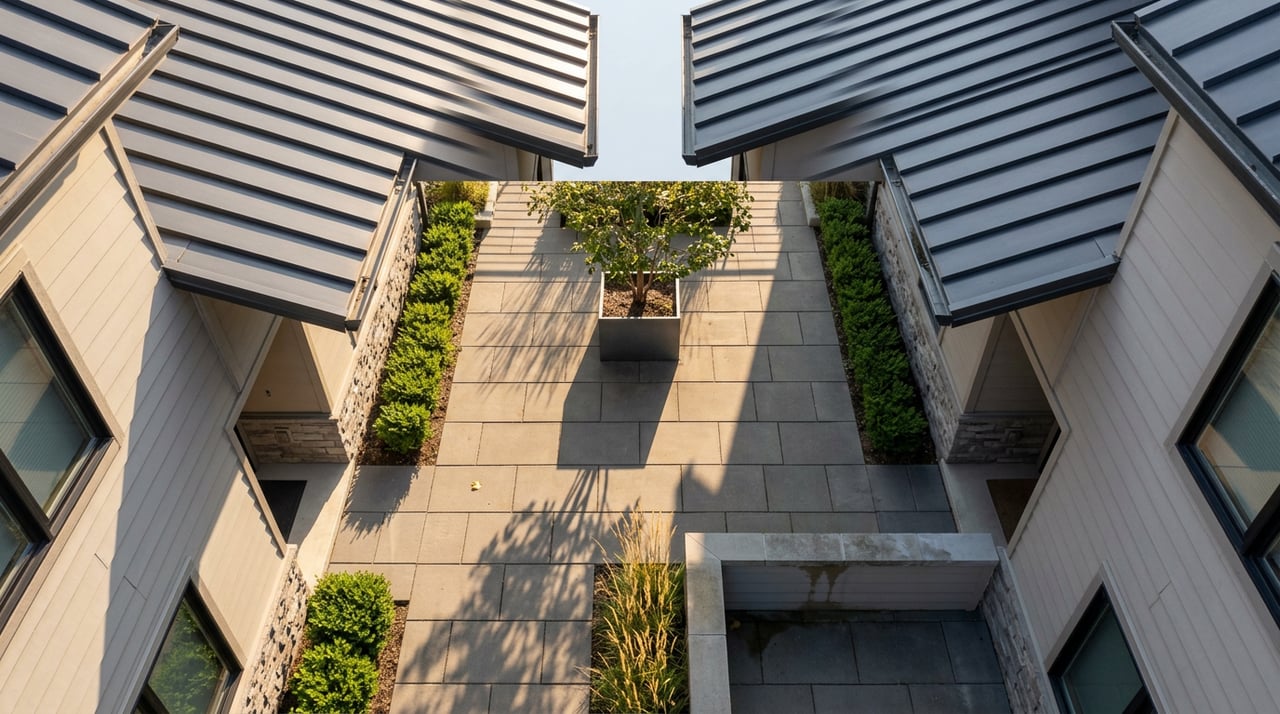
In Boulder, design quality is not just an interior issue. City architecture inspections review visible details such as material transitions, balcony railings, and rooftop mechanical screening in certain projects. That is a useful reminder that the outside of the building and the common areas can affect your ownership experience just as much as the unit itself.
When touring a condo or townhome, pay attention to more than the staging. Notice the condition of siding, balconies, entry areas, railings, hallways, parking areas, and shared outdoor spaces. A well-kept exterior often supports value, while visible wear may signal future cost.
Timeless Design Usually Ages Better
Boulder’s public design priorities lean toward homes that feel well-proportioned, contextual, and durable. That does not mean every unit has to look traditional or plain. It means the homes that tend to hold up best are the ones where the bones make sense.
In practical terms, that often means resale strength comes from features like:
- A logical floor plan
- Good storage
- Comfortable circulation between rooms
- Outdoor space you will actually use
- Finishes that fit the building’s style
- Parking that works for your daily routine
If a home has these basics, cosmetic updates can add polish. If it lacks them, new tile and lighting may not solve the deeper problem.
Read the HOA Before You Fall in Love
For attached homes, design and ownership are tightly connected to the HOA. In Colorado, once you are under contract, you are entitled to the association documents listed in section 7 of the Residential Contract to Buy and Sell. You can also get the recorded declaration from the county Clerk and Recorder before going under contract.
This matters because the declaration tells you what you actually own and what the association controls. It should spell out the common elements, plat map, assessment formula, and restrictions on owner use. If you are thinking about future updates, this is one of the first places to look.
The HOA Questions That Protect You
Before you commit, ask direct questions about maintenance and financial health. Colorado’s Division of Real Estate recommends reviewing governing and financial documents carefully and checking for signs of deferred maintenance. That is especially important in condos and townhomes, where building systems and exterior components are often shared.
Use this checklist as a starting point:
- Read the declaration and plat map first
- Ask who maintains the roof, siding, balconies, windows, parking, and landscape
- Request the budget and reserve study if available
- Review the last year of meeting minutes
- Ask whether the HOA is professionally managed
- Watch for signs of worn siding, roof issues, or failing balconies
- Confirm whether the project is likely to support the financing you plan to use
These steps can help you avoid surprises that do not show up in listing photos.
Hidden Costs Can Change the Math
Monthly dues are only part of the ownership picture. Colorado warns that HOA ownership can also involve special assessments, insurance-related costs, and other unanticipated expenses. Since there is no regulatory oversight of HOAs in Colorado, buyers need to do their own review of reserves, budgets, and maintenance planning.
Reserve funds are meant to help cover major or deferred costs. If reserves are thin and the property shows visible wear, future expenses may land on owners through higher dues or special assessments. A lower monthly HOA fee is not always the better deal if the building is underfunded.
Condo Financing Can Depend on the Project
If you are buying a condo, project health can affect financing and resale. According to the Colorado Division of Real Estate, condominium projects must meet HUD approval requirements that consider things like insurance coverage, financial condition, title, pending litigation, and physical condition.
That does not mean every condo is difficult to finance. It means the project itself matters, not just your personal loan profile. If you are comparing options, make sure the building supports your financing plan early in the process.
Renovation Potential Starts With Permissions
A design-conscious buyer often sees possibilities right away. In Boulder, the smart move is to test those ideas against the approval path before writing an offer. The city requires conformance with adopted building codes, land use regulations, and design and construction standards, and permits are required when the structure is impacted.
Attached homes follow different permit paths depending on the property type. Boulder uses a specific scope-of-work form for duplexes, triplexes, and townhomes, while condominiums go through the multi-family permit path. If your renovation touches more than paint and finishes, confirm the process early.
Ask These Renovation Questions First
Before you count on improving a unit later, ask:
- Can the work stay interior-only?
- Will the project touch common elements or exterior surfaces?
- Is the property in a historic district or an individual landmark?
- Is it in a floodplain, steep-slope area, or wildland-urban interface?
- Will the HOA need to approve the work before the city reviews a permit?
- Are the home’s best qualities already there, or would you need major work to create better light, flow, or storage?
These questions help you separate a realistic opportunity from a costly idea.
Older Boulder Buildings Need Extra Attention
Older attached homes can offer character, but they may come with more approval layers. In Boulder, exterior changes to landmarked properties or homes in historic districts require a Landmark Alteration Certificate. Buildings older than 50 years may also trigger demolition review if proposed work meets the city’s demolition definition.
That does not make older properties a bad choice. It just means you should understand the path before assuming you can replace windows, alter siding, rebuild a balcony, or make other visible changes.
How to Spot Better Resale Potential
A Boulder condo or townhome tends to have stronger resale when its best qualities are easy to see and easy to maintain. The most appealing units often combine good light, efficient circulation, usable outdoor space, practical storage, and finishes that fit the building instead of fighting it.
Try to avoid overpaying for cosmetic updates alone. If the unit has weak natural light, awkward room flow, or a difficult HOA and city approval path for future changes, those issues may matter more over time than a recently remodeled bathroom. Good design is not just how a home looks. It is how well it works.
Buying With a Design Eye in Boulder
A smart Boulder attached-home purchase blends market awareness with design judgment and solid due diligence. You are not just buying countertops and paint colors. You are buying into a building, a set of shared obligations, and a floor plan you will live with every day.
When you evaluate light, layout, exterior quality, HOA health, and renovation reality together, you put yourself in a stronger position to buy well. If you want help assessing a Boulder condo or townhome with both resale and design in mind, Audrey Michel brings a practical real estate approach with architecture and interior design insight.
FAQs
What makes Boulder condos and townhomes different from detached homes?
- Boulder attached homes function as micro-markets, and the Boulder County Assessor separates condos and townhomes into distinct categories and some specific market areas, so price and value should be compared carefully within similar property types.
What design features matter most in a Boulder condo or townhome?
- The features that tend to matter most are natural light, corner or end-unit exposure, usable outdoor space, efficient layout, ceiling feel, window placement, and durable materials.
What HOA documents should you review before buying a Boulder attached home?
- You should review the declaration, plat map, budget, reserve study if available, and recent meeting minutes to understand common elements, restrictions, maintenance responsibility, and possible future costs.
What hidden costs should buyers watch for in Boulder HOA communities?
- Buyers should watch for special assessments, insurance-related costs, rising dues, and deferred maintenance that may point to future repair expenses.
What should buyers know about renovating a Boulder condo or townhome?
- Buyers should confirm whether planned work is interior-only, whether it affects common elements or exterior surfaces, whether HOA approval is required, and whether city permits or added site constraints apply.
What can affect condo financing in Boulder?
- Condo financing can be affected by project-level factors such as insurance coverage, financial condition, pending litigation, title issues, and the physical condition of the project or units.